



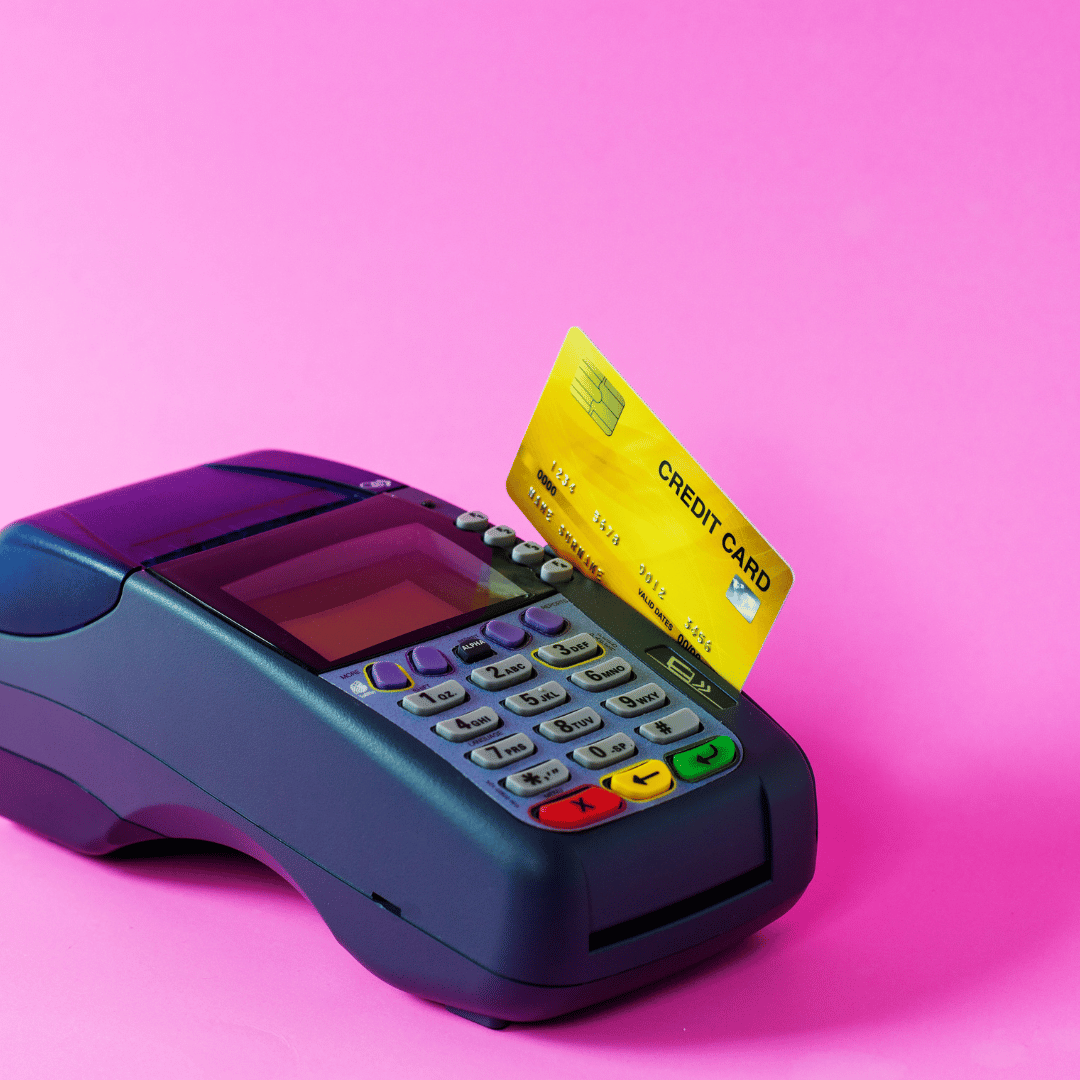
Credit cards, when used responsibly, offer numerous advantages over debit cards or cash. From building credit to providing extra security, credit cards can be a powerful financial tool. Here are ten reasons why paying with a credit card can be beneficial.
1. One-Time Bonuses
Many credit cards offer lucrative sign-up bonuses for new users. These can include cash back, travel miles, or rewards points in exchange for meeting a minimum spending requirement within the first few months.
- Example: A card might offer $150 after spending $500 in the first three months.
- Why It Matters: Debit cards and cash transactions don’t provide such incentives.
2. Cash Back
Cash-back cards let you earn a percentage of your purchases back as cash. Rewards can range from 1% to 8% on eligible categories, like groceries, dining, or gas.
- Best for: Everyday purchases to maximize rewards.
3. Rewards Points
Rewards credit cards allow you to accumulate points for every dollar spent. These points can be redeemed for travel, merchandise, gift cards, or statement credits.
- Pro Tip: Match the rewards program to your spending habits, such as a travel rewards card for frequent flyers.
4. Frequent-Flyer Miles
Many airline credit cards let you earn miles for every dollar spent. Some cards also offer significant mileage bonuses upon sign-up.
- Why It’s Valuable: Miles can be redeemed for flights, upgrades, and even vacations, offering significant savings for travelers.
5. Enhanced Safety
Credit cards provide superior fraud protection compared to debit cards or cash.
- Benefits:
- Zero liability for unauthorized purchases.
- Fraudulent transactions don’t immediately affect your cash flow.
6. Vendor Dispute Protection
Credit card issuers can mediate disputes between buyers and sellers.
- Example: If a contractor charges you for poor work, disputing the transaction with your credit card issuer can lead to a refund.
7. Grace Period
Credit cards give you a grace period between the purchase date and the payment due date.
- Why It Helps:
- Keeps cash in your bank account longer.
- Potentially earns interest if your account is interest-bearing.
8. Insurance and Purchase Protections
Many credit cards offer additional insurance benefits, such as:
- Travel insurance: Coverage for trip cancellations or interruptions.
- Rental car insurance: Secondary or primary coverage for damages.
- Extended warranties: Beyond what manufacturers provide.
9. Universal Acceptance
Credit cards are widely accepted globally and are often easier to use than debit cards for certain transactions, like:
- Renting a car or hotel room.
- Making purchases in foreign countries.
10. Building Credit
Using a credit card responsibly builds your credit history and score.
- How It Works:
- On-time payments are reported to credit bureaus.
- Helps establish credit for future needs, like loans or mortgages.
- Tip: Even secured credit cards can help build or repair credit.
When Not to Use a Credit Card
While credit cards offer many benefits, they aren’t always the best choice:
- You can’t pay the balance in full: Avoid interest charges by using a debit card or cash.
- You tend to overspend: A credit card might encourage you to spend beyond your means.
- High fees: Some transactions, like paying rent, may incur additional fees when using a credit card.
FAQs
- Is It Better to Use a Credit Card or Debit Card?
Credit cards are generally better for rewards, security, and building credit. - What Is the Credit Utilization Ratio?
It’s the percentage of your available credit currently in use. Aim to keep it under 30% to maintain a healthy credit score. - How Many Credit Cards Should I Have?
Two to three cards are ideal for most people to build a credit history and diversify credit types.
The Bottom Line
Credit cards, when used responsibly, can enhance your financial life by providing rewards, security, and convenience. However, they require discipline to avoid debt and interest charges. If you manage them wisely, credit cards can be an essential tool in your financial toolkit.
Post a comment
Related Posts
March 14, 2026
Secured vs. Student Credit Cards: Which to Choose?
Both secured and student credit cards are designed for individuals with little to no credit…
March 14, 2026
How to Get a Student Credit Card
Student credit cards are a great tool for managing expenses, building credit, and establishing financial…

March 14, 2026
How to Apply for a Credit Card
Applying for a credit card has become an easy and streamlined process, especially with the…
March 14, 2026
How Long Does It Take to Get a Credit Card?
The timeline for getting a credit card can vary depending on the application process, the…