


Credit cards can feel like magic wands—one swipe, and the item is yours. But relying too heavily on credit can turn that magic into a financial nightmare. Whether you’re tempted to overspend or believe you can handle it all later, here are nine compelling reasons to think twice before reaching for plastic.
1. Credit Discourages Self-Control
Impulse purchases may feel satisfying in the moment, but they can erode your financial stability. Over time, this behavior can lead to self-esteem issues, stress, and even strain on your relationships. Exercising restraint today can pave the way for achieving larger goals, like buying a home or building a savings cushion.
2. You Might Be Avoiding a Budget
Swiping your card for small purchases—like coffee or books—adds up quickly. Without a budget, it’s easy to lose track of spending until you’re faced with an unmanageable bill. Creating a budget is simpler than it sounds: list your monthly income, subtract expenses, and see what’s left for discretionary spending. Staying mindful of your limits is a game-changer.
3. Interest Turns Purchases Into Costly Burdens
Paying with credit doesn’t just delay payment—it makes everything more expensive. With average interest rates hovering around 18%, a $1,000 purchase could end up costing $1,175 after a year of minimum payments. If you can’t afford it now, paying interest only makes it harder later.
4. Surprise Rate Hikes Can Sting
Those tantalizing low-interest intro rates often come with a catch: they don’t last forever. That 8% APR could jump to 29% after a few months, especially if you miss a payment. Even with the best intentions to pay off your balance, unexpected expenses like car repairs can derail your plans.
5. Poor Credit Scores Hurt More Than You Think
Missing payments doesn’t just ding your credit score—it can have ripple effects. From higher insurance premiums to difficulty landing a job, bad credit casts a long shadow. It can even cost you the opportunity to buy or refinance a home. Maintaining good credit isn’t just about access to loans; it’s about protecting your financial future.
6. Debt Strains Relationships
Money is the leading cause of stress in relationships, and credit card debt can exacerbate tensions. Families and couples are better off working together on a shared budget, practicing financial discipline, and addressing money matters openly. Collaboration can prevent financial stress from seeping into your personal life.
7. Credit Fuels Overspending
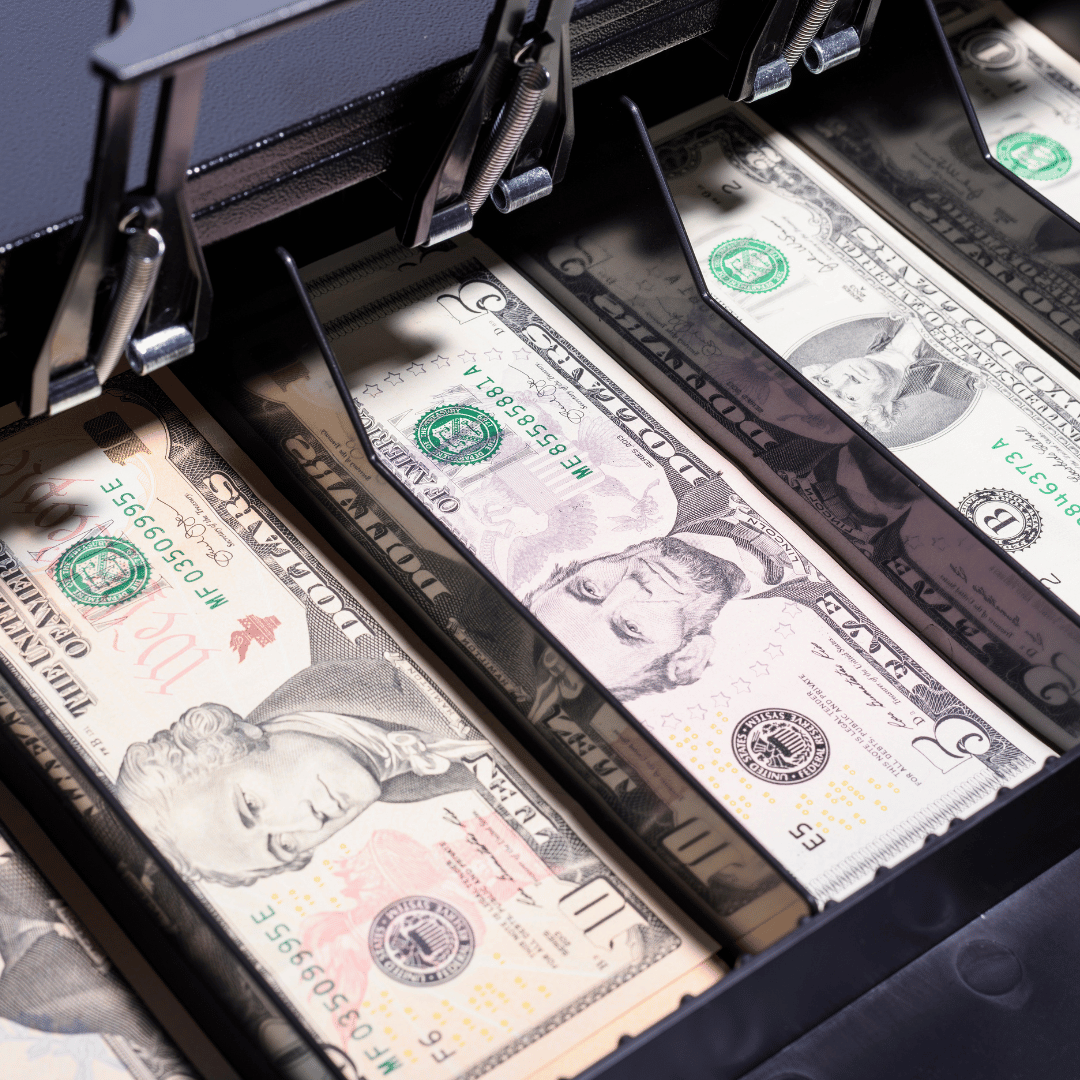
Paying with plastic creates a psychological disconnect from your spending. A $1,000 laptop might not feel like a big deal when you’re simply signing a receipt, but handing over $100 bills makes the cost tangible. Cash or checks keep your spending grounded, helping you make more mindful decisions.
8. It Can Lead to Bankruptcy
Unchecked spending can spiral out of control, especially if life throws a curveball like a job loss or unexpected medical bills. Bankruptcy is a last resort for unmanageable debt, but it leaves scars on your credit report for up to a decade. Avoiding excessive credit usage now can save you from this dire outcome.
9. Debt Erodes Peace of Mind
Living debt-free means never worrying about late fees, interest, or over-limit charges. Saving up for a purchase and paying in cash is not only more satisfying but also stress-free. Financial freedom is a reward in itself, offering you peace of mind and control over your money.
How Much Credit Is Too Much?
Managing credit responsibly starts with understanding your credit utilization ratio—the amount of debt you owe compared to your total credit limit. Ideally, keep your usage below 30%. For example, if your credit limit is $10,000, try not to carry more than $3,000 in debt.
What’s a Good Credit Score?
Credit scores typically range from 300 to 850. A score of 670 or higher is considered good, unlocking better interest rates and lending opportunities.
The Bottom Line
Credit can be a powerful tool—if managed wisely. Paying off balances in full each month ensures you reap the benefits without falling into the traps. When mismanaged, however, credit can lead to overspending, financial stress, and long-term consequences. Think before you swipe: Is it worth the cost?
Post a comment
Related Posts
March 14, 2026
Secured vs. Student Credit Cards: Which to Choose?
Both secured and student credit cards are designed for individuals with little to no credit…

March 14, 2026
How to Get a Student Credit Card
Student credit cards are a great tool for managing expenses, building credit, and establishing financial…

March 14, 2026
How to Apply for a Credit Card
Applying for a credit card has become an easy and streamlined process, especially with the…
March 14, 2026
How Long Does It Take to Get a Credit Card?
The timeline for getting a credit card can vary depending on the application process, the…