


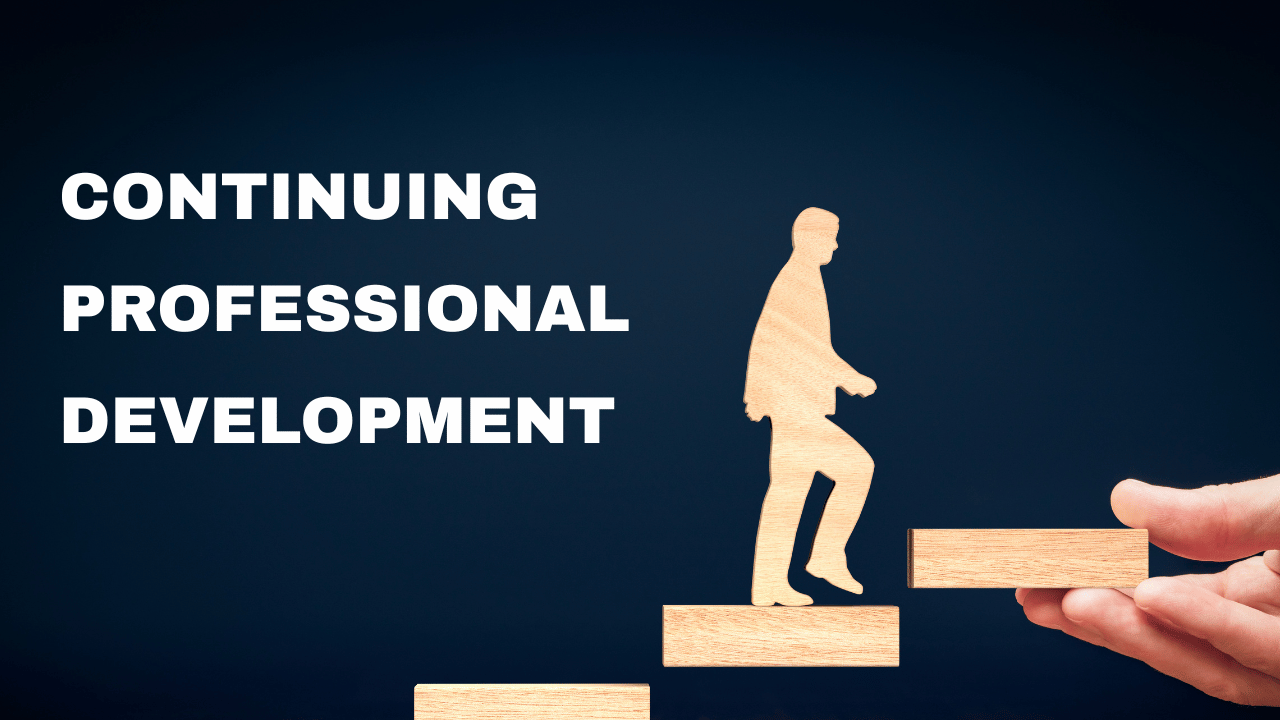
Have you ever felt that spark of excitement when you master a new skill or learn a fresh approach at work? That sense of being energized by professional growth is what drives Continuing Professional Development (CPD). Organizations that champion CPD help their people remain sharp, motivated, and ready to tackle the ever-evolving challenges of the modern world.
In this article, we’ll dive into what CPD is, why it matters, and how both employees and employers can reap the rewards of ongoing learning.
What Exactly Is CPD?
Think of CPD as a lifelong learning adventure—one that enriches you both personally and professionally. As one definition puts it, it’s “lifelong learning, from cradle to grave, for both personal and professional enrichment, with the focus on the learner.”
Behind this official-sounding phrase lies a simple truth: CPD keeps you on your toes, ensuring you’re continually growing and delivering your very best. It does this by:
- Addressing development areas: Filling gaps in knowledge or skills so you can excel in your current role.
- Maximizing strengths: Building on your natural talents, so you become an even bigger asset to your organization.
- Keeping pace with change: Staying up-to-date with trends, technology, and shifts in your profession.
Why CPD Really Matters
When employees commit to ongoing professional growth, good things happen. Not only do they enhance their knowledge base, but they also stay motivated and challenged, bringing fresh ideas to the table. This is critical in a world where change is constant and innovation is the key to staying ahead.
For organizations, CPD means a stronger, more capable workforce—people who are poised to make a real impact. Many professional bodies (think accountants, pharmacists, HR, and marketing professionals) already require a minimum amount of CPD for members to maintain their status. And an increasing number of employers are following suit, recognizing that continuously developing their people isn’t just beneficial—it’s essential.
One Size Does Not Fit All
People learn in all sorts of ways. CPD is brilliantly flexible, which is part of its charm. Each individual:
- Has unique knowledge gaps to fill.
- Performs different tasks in their role.
- Prefers certain learning styles or methods.
That’s why CPD works best when it’s tailored. Typically, employees set development goals with their manager, brainstorming a plan that might include anything from formal qualifications to informal learning-by-doing.
To make that conversation really count, managers and learners should explore:
- Key responsibilities of the current role.
- Necessary skills and knowledge for day-to-day success (and career progression).
- Professional qualifications that might be helpful or mandatory.
- Development opportunities inside and outside the organization.
- How to stay current with industry trends.
- Preferred learning methods (e.g., practical, reflective, or a mix).
- Support systems (coaches, mentors, professional bodies) to guide the way.
Mapping Out the Journey
Once you’ve identified areas for growth, it’s helpful to document them—often in a Personal Development Plan (PDP) or a similar matrix. Why bother? Because writing things down provides a handy snapshot of goals, progress, and next steps.
A simple table can track:
- Activity (What you did—training, coaching, reading, etc.)
- Purpose (Why you did it and what value it brings)
- Target Date (When you plan to finish)
- Learning Achieved (What you learned and how you applied it)
- Further Action (What’s next? Any follow-up or deeper development needed?)
That final column—“Further Action”—is where the real magic happens. It keeps CPD truly continuous, asking, “What else can I do to build on what I’ve learned?” This forward-thinking mindset lets employees lock in their new skills and identify the next set of challenges.
What Counts as CPD Activities?
The short answer: almost anything that helps you grow! Some folks assume CPD is all about formal study or lengthy certifications, but that’s only one piece of the puzzle. Here are some possibilities:
- Professional qualifications (e.g., ACCA, CIM).
- Vocational qualifications (e.g., NVQs, City & Guilds).
- Conferences or seminars (in-house or external).
- Informal learning (on-the-job experience, shadowing colleagues).
- Training courses (from public speaking to project management).
- Open or distance learning (book-keeping, business planning).
- E-learning modules (online programs, webinars).
- Reading (industry magazines, relevant books, journals).
- Networking (meeting and learning from peers in the field).
- Coaching or mentoring (from either side of the relationship).
Above all, pick activities that suit your learning style. If you thrive on practical, hands-on experience, seek more immersive opportunities. If you love to reflect and research, then reading or e-courses might be your thing.
Making CPD Continuous
CPD isn’t a one-time, box-ticking exercise. Instead, it’s woven into the fabric of your career, evolving as your role changes and as you grow. Keep these three tips in mind:
- Review Regularly
Keep your CPD plan up to date—revisit it at least once a year (or more often if things change quickly in your organization). Ask:- Which skills or knowledge areas still need attention?
- What new challenges have popped up, and how can I prepare for them?
- Evaluate Your Learning
It’s easy to finish a course and never look back. But the real value comes from asking yourself, “Was it worth it? Did I truly learn something I can use?” You might measure this by:- Taking an exam or quiz.
- Asking colleagues or managers for feedback.
- Checking performance metrics to see if you’re making a tangible difference.
- Enjoy the Process
CPD doesn’t have to feel like extra homework. Make it fun and purposeful by choosing activities that fire up your curiosity and align with your goals. You’ll not only grow faster, but you’ll actually look forward to learning.
The Bottom Line
Continuing Professional Development is all about empowering yourself (and your team, if you’re a manager) to be the best you can be—through consistent and focused learning. Whether that involves earning new qualifications, reading industry articles, or simply reflecting on successes and stumbling blocks, CPD keeps you on the cutting edge of your profession.
Embrace CPD as a powerful tool for fueling both your personal and professional growth. In doing so, you’ll help create an organization that’s more innovative, future-proof, and ready to take on whatever challenges the world throws its way.
Post a comment
Related Posts

Virtual Learning: Your Passport to Future Success
Virtual Learning: Your Passport to Future Success We’re living in fast-paced, competitive times, where what…

The Roman Room System: A Timeless Way to Remember Anything
Have you ever found yourself forgetting important details at the worst possible moment? Maybe a…

The Number/Rhyme MnemonicMemorize Ordered Lists Like a Pro
Picture this: you’ve got a list of must-remember items—whether it’s a string of American Presidents,…

The Major System: Your Secret Weapon for Remembering Numbers
Ever find yourself staring blankly at a phone number, wondering why it just won’t stick…