



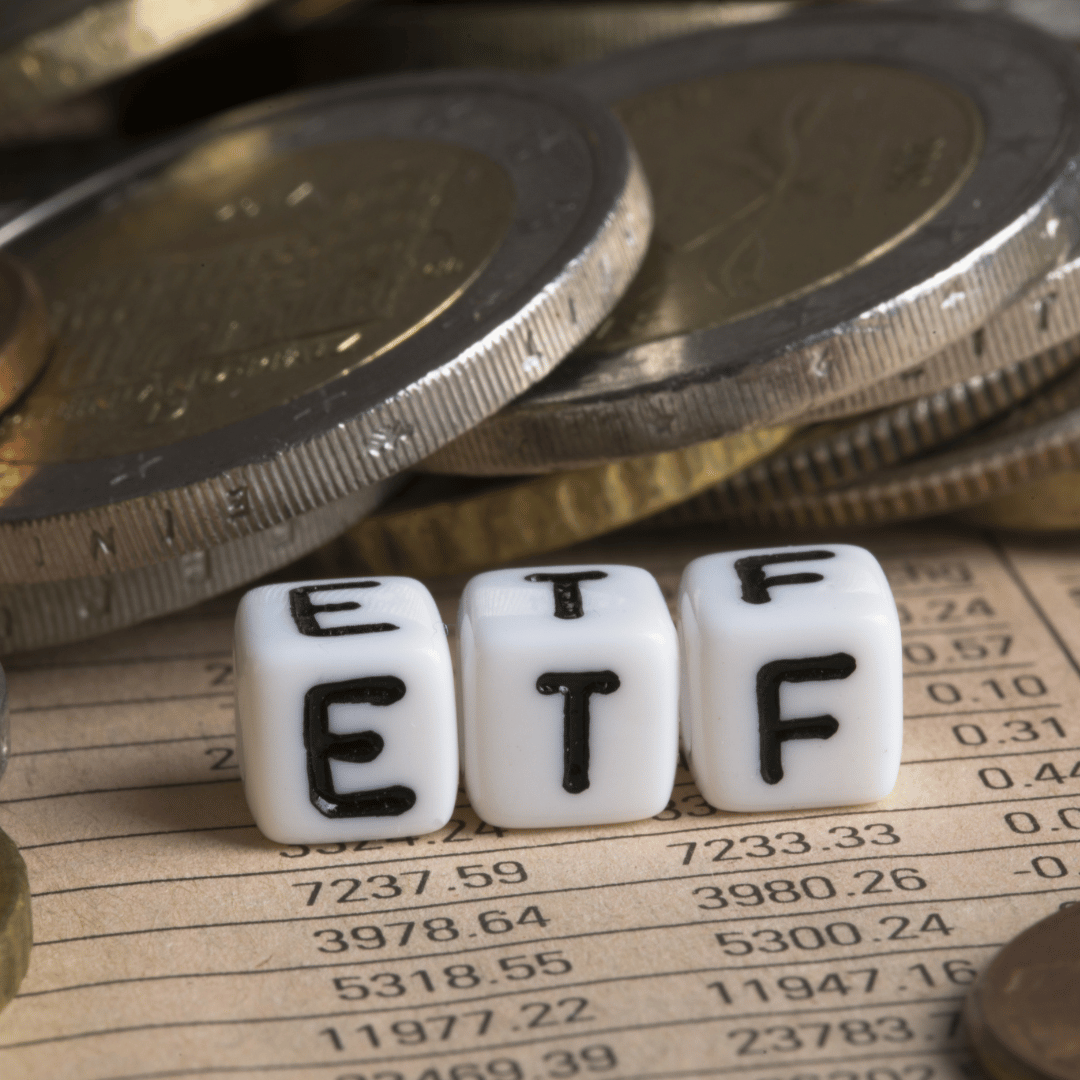
An exchange-traded fund (ETF) is a pooled investment vehicle that combines features of mutual funds and individual stocks. ETFs track various assets—such as stocks, bonds, commodities, or indices—and can be bought and sold on an exchange throughout the trading day, just like a stock.
Key Features of ETFs
- Trading Like Stocks:
ETFs trade on major stock exchanges, and their prices fluctuate throughout the trading day based on market demand and supply. - Low Costs:
ETFs generally have lower expense ratios compared to mutual funds, making them a cost-efficient option for investors. - Diverse Exposure:
Investors gain exposure to a basket of assets, which can range from broad indices to specific sectors or commodities. - Tax Efficiency:
ETFs often generate fewer taxable events compared to mutual funds due to their unique structure, reducing tax liabilities for investors.
Types of ETFs
- Passive ETFs:
Track a specific index, such as the S&P 500 or the NASDAQ-100, providing exposure to broad market trends. - Actively Managed ETFs:
Portfolio managers actively choose securities to outperform a benchmark. These often come with higher fees than passive ETFs. - Bond ETFs:
Invest in bonds and provide regular income. Examples include government, corporate, and municipal bond ETFs. - Stock ETFs:
Track a basket of stocks within a specific sector, industry, or country. Examples include technology or healthcare ETFs. - Sector/Industry ETFs:
Focus on particular sectors, such as energy (XLE) or technology (XLK). - Commodity ETFs:
Invest in physical commodities like gold (GLD), silver (SLV), or crude oil (USO). - Currency ETFs:
Track currency pairs and allow investors to hedge against foreign exchange risks. - Leveraged ETFs:
Aim to amplify returns using leverage, often providing 2× or 3× the performance of the underlying index or asset. - Inverse ETFs:
Profit from the decline in the price of an index or asset by shorting the securities. - Cryptocurrency ETFs:
Include Bitcoin ETFs and Ethereum ETFs, offering exposure to cryptocurrency price movements without direct ownership of the assets.
Advantages of ETFs
- Diversification: Instant exposure to a broad range of assets within a single fund.
- Liquidity: ETFs can be traded throughout the day, unlike mutual funds, which only trade after market close.
- Cost Efficiency: Low expense ratios and fewer transaction costs compared to actively managed mutual funds.
- Transparency: Most ETFs disclose their holdings daily.
- Tax Efficiency: Fewer capital gains distributions compared to mutual funds.
Disadvantages of ETFs
- Trading Costs: While many brokers offer commission-free ETFs, frequent trading can lead to costs that reduce returns.
- Tracking Errors: ETFs may not perfectly replicate the performance of their underlying index.
- Sector Concentration: Specialized ETFs may lack diversification.
- Liquidity Concerns: Some niche ETFs may have low trading volumes, leading to higher bid-ask spreads.
How ETFs Differ From Mutual Funds
| Feature | ETFs | Mutual Funds |
| Trading | Throughout the day | End of the trading day |
| Pricing | Market-driven | Based on NAV at day’s end |
| Minimum Investment | As low as one share | Often requires a set minimum |
| Expense Ratios | Lower | Higher |
| Tax Efficiency | More efficient | Less efficient |
Investing in ETFs
To invest in ETFs:
- Open a Brokerage Account: Most platforms allow commission-free ETF trading.
- Screen ETFs: Use criteria such as expense ratios, trading volume, and past performance to find suitable options.
- Buy Shares: Decide the amount you wish to invest, and place a buy order through your broker.
Popular ETFs
- SPDR S&P 500 ETF (SPY): Tracks the S&P 500 Index.
- iShares Russell 2000 (IWM): Tracks small-cap U.S. stocks.
- Invesco QQQ (QQQ): Focuses on the Nasdaq-100, heavily weighted in technology stocks.
- Vanguard Total Stock Market ETF (VTI): Provides exposure to the entire U.S. stock market.
The Bottom Line
ETFs are versatile, cost-effective investment vehicles that cater to both novice and experienced investors. They offer diversified exposure, tax efficiency, and ease of trading, making them a popular choice for building and balancing portfolios. However, understanding the specific risks and characteristics of each ETF is crucial for making informed investment decisions.
Post a comment
Related Posts

Platinum ETFs: Unlocking the Shine of Smart Investing
Platinum: a precious metal that gleams not only in jewelry but also in investment portfolios.…

Copper ETFs: Investing in the Future of Industry
Copper may not shine like gold or silver, but its role in modern life is…

How to Invest Globally Through ETFs: A World of Opportunity
Exchange-Traded Funds (ETFs) offer a seamless way to diversify your portfolio, giving you access to…

Agricultural ETFs: What You Need to Know
Agricultural ETFs offer investors a convenient way to gain exposure to the agricultural sector, including…