


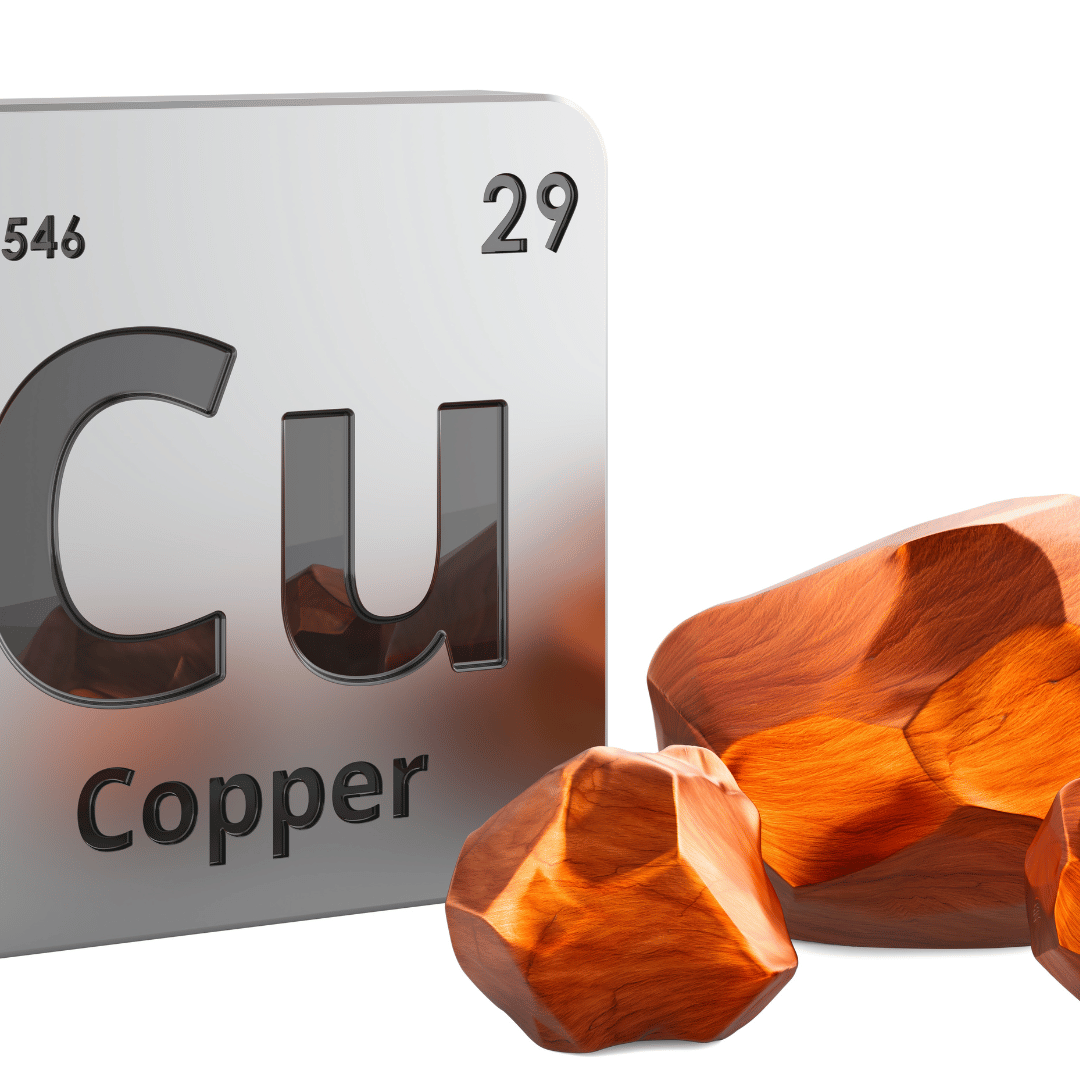
Copper may not shine like gold or silver, but its role in modern life is invaluable. From powering homes to driving industrial growth, copper is the backbone of countless industries. For investors looking to tap into this essential commodity without the hassle of owning and storing physical metal, Copper ETFs offer a sleek and efficient solution.
Why Copper Matters: More Than Just Metal
Copper is everywhere—literally. It powers your home’s electrical wiring, streams your internet through cables, and even makes up parts of your plumbing. Its versatility and conductivity make it indispensable in:
- Electronics: Phones, laptops, and electric vehicles.
- Construction: Pipes, heating, and cooling systems.
- Alloys: Brass and bronze, found in musical instruments and industrial machinery.
Nicknamed “Dr. Copper” for its predictive power on global economic health, this metal’s price movements often mirror the ups and downs of the economy.
Copper ETFs: Your Investment Options
Copper ETFs let you invest in the copper market without physically owning the metal. These funds track copper prices or companies tied to its production.
1. Physically Backed ETFs
These funds hold actual copper, tracking its price with high precision. While accurate, they come with elevated costs for storage and logistics.
2. Equity-Based ETFs
These ETFs invest in copper-related companies, such as miners and producers. They’re often cheaper but may not mirror copper prices as closely. Examples include the iShares Copper and Metals Mining ETF (ICOP) and Global X Copper Miners ETF (COPX).
3. Futures-Based ETFs
Using derivatives like futures contracts, these ETFs mimic copper price movements. Funds like the United States Copper Index Fund (CPER) provide direct exposure to copper prices but carry risks like contract rollover costs.
Why Invest in Copper ETFs? The Benefits
1. Diversification
Adding copper ETFs to your portfolio brings exposure to a new asset class, balancing risks across different sectors.
2. Liquidity
ETFs are easily traded during market hours, allowing you to buy or sell shares with ease.
3. Secular Demand Growth
As industries like renewable energy and electric vehicles expand, copper’s demand is set to grow. Limited supply against increasing use could drive prices higher over time.
Risks to Watch Out For
1. Economic Sensitivity
Copper prices closely follow global economic trends. During downturns, prices can drop significantly.
2. Overlap in Exposure
If you already own broad market index funds, you might unknowingly have exposure to copper-related businesses.
3. Volatility
Copper’s price swings can be nerve-wracking. For instance, between 2019 and 2024, prices ranged from under $4,800 to over $10,500 per metric ton.
Top Copper ETFs to Consider
- United States Copper Index Fund (CPER)
- Type: Futures-based
- Expense Ratio: 0.97%
- Assets Under Management: $121 million
- iShares Copper and Metals Mining ETF (ICOP)
- Type: Equity-based
- Expense Ratio: 0.47%
- Assets Under Management: <$5 million
- Global X Copper Miners ETF (COPX)
- Type: Equity-based
- Expense Ratio: 0.65%
- Assets Under Management: $1.35 billion
How to Invest in Copper ETFs
- Open a Brokerage Account
Choose a platform with low fees and user-friendly tools. - Fund Your Account
Transfer funds from your bank to your brokerage account. - Select the Right ETF
Consider expense ratios, liquidity, and your preferred exposure—physical, equity, or futures-based. - Place Your Order
Use limit orders for low-volume ETFs to avoid paying inflated prices.
Tax Implications
Investing in copper ETFs comes with tax considerations:
- Dividends: Qualified dividends are taxed at lower capital gains rates, while unqualified dividends are taxed as ordinary income.
- Capital Gains: Long-term holdings enjoy lower tax rates compared to short-term gains.
Plan your investments in tax-advantaged accounts like IRAs to minimize liabilities.
The Bottom Line
Copper ETFs offer a compelling way to gain exposure to an industrial powerhouse. Whether you’re looking for direct price tracking or investments in copper-related companies, these ETFs can diversify your portfolio and align with global economic growth trends.
Before diving in, weigh the pros and cons, assess your risk tolerance, and ensure your chosen ETF fits your financial goals. With copper poised for long-term relevance, this could be a smart addition to your investment strategy.
Post a comment
Related Posts

Platinum ETFs: Unlocking the Shine of Smart Investing
Platinum: a precious metal that gleams not only in jewelry but also in investment portfolios.…
How to Invest Globally Through ETFs: A World of Opportunity
Exchange-Traded Funds (ETFs) offer a seamless way to diversify your portfolio, giving you access to…

Agricultural ETFs: What You Need to Know
Agricultural ETFs offer investors a convenient way to gain exposure to the agricultural sector, including…
What Is an Exchange-Traded Fund (ETF)?
An exchange-traded fund (ETF) is a pooled investment vehicle that combines features of mutual funds…