



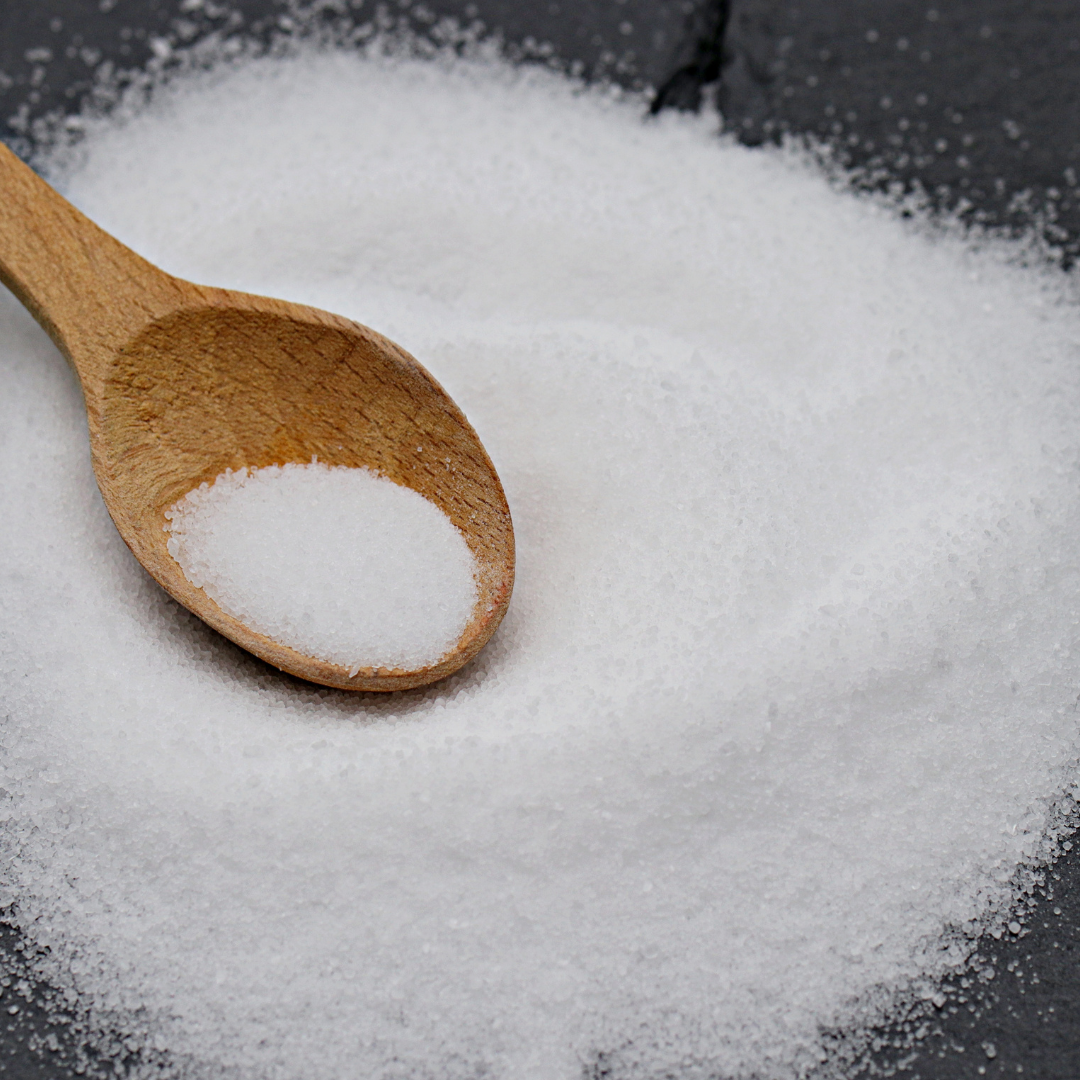
Sugar production is a significant global agricultural industry, with most sugar derived from sugarcane grown in tropical climates and sugar beets cultivated in temperate regions. The top producers—Brazil, India, Thailand, China, and the United States—dominate the market, supplying the bulk of the world’s sugar. If combined, the European Union (EU) would rank third, leveraging its significant sugar beet production.
Key Takeaways
- Top Producers: Brazil, India, Thailand, China, and the United States.
- Sugar Sources: About 80% of global sugar comes from sugarcane, with the remaining 20% from sugar beets.
- Global Production Trends: In the 2023–2024 season, global sugar production is expected to rise to 187.9 million metric tons.
1. Brazil
- 2023–2024 Production: 42 million metric tons.
- Key Drivers:
- Favorable weather conditions.
- Strong sugar prices encouraging land use for sugarcane over grain.
- Increased sugar exports.
- Unique Factors: Brazil is a major producer of ethanol and renewable fuels derived from sugarcane.
2. India
- 2023–2024 Production: 36 million metric tons.
- Consumption: World’s largest sugar consumer at 31 million metric tons annually.
- Key Drivers:
- Strong domestic demand from food manufacturers.
- Stable export levels to curb inflation.
- Previous Performance: Held the top spot for global sugar production in 2021–2022.
3. Thailand
- 2023–2024 Production: 11.2 million metric tons.
- Key Drivers:
- Recovery from a severe drought in the 2020–2021 season.
- Improved domestic consumption driven by economic growth and tourism.
- Market Dynamics: Anticipated record-high sugar exports.
4. China
- 2023–2024 Production: 10 million metric tons.
- Key Drivers:
- Favorable weather conditions boosting yield.
- Continued economic recovery increasing domestic sugar consumption.
- Import Trends: A net importer of sugar to meet domestic demand.
5. United States
- 2023–2024 Production: 8.4 million metric tons.
- Production Sources:
- 45% from sugarcane.
- 55% from sugar beets.
- Additional Sweeteners: The U.S. produces high-fructose corn syrup, used as a sugar substitute, though production has declined from peak levels in the 2000s.
European Union as a Key Producer
- 2023–2024 Production: 15.5 million metric tons (if combined, ranks third globally).
- Specialization: Largest producer of beet sugar, particularly in northern Europe (France, Germany, Poland, and others).
Global Consumption Patterns
- Top Consumers:
- India: 31 million metric tons annually.
- China: 15.6 million metric tons annually.
- U.S.: 11.5 million metric tons annually.
- Per Capita Consumption: The U.S. leads with 126 grams per day, followed by Germany and the Netherlands at 102 grams each.
Frequently Asked Questions
Is Sucrose the Same as Sugar?
Yes, sucrose is the chemical name for common sugar. It is a simple carbohydrate found naturally in plants, especially in sugarcane and sugar beets.
How Much Sugar Should You Consume Daily?
The American Heart Association recommends no more than:
- 9 teaspoons for adult men.
- 6 teaspoons for adult women.
Is Corn Sugar Really Sugar?
Yes, but there are differences:
- Corn sugar is derived from cornstarch and primarily exists as glucose or high-fructose corn syrup.
- Unlike table sugar, corn sugar is always liquid and widely used in processed foods.
The Bottom Line
The global sugar industry is dominated by Brazil, India, Thailand, China, and the United States. While production is influenced by weather, economics, and consumer demand, sugar remains a vital agricultural commodity. Both cane and beet sugars fulfill distinct roles, with their production reflecting regional agricultural strengths and market demands.
Post a comment
Related Posts

What You Need to Know About the Rising Cost of Your Daily Coffee
The cost of your morning coffee has been steadily climbing, with coffee bean prices hitting…

Timberland Investment: Overview, Risks, and Examples
Timberland Investment: Overview, Risks, and Examples Timberland investment involves owning and managing productive forest lands…