



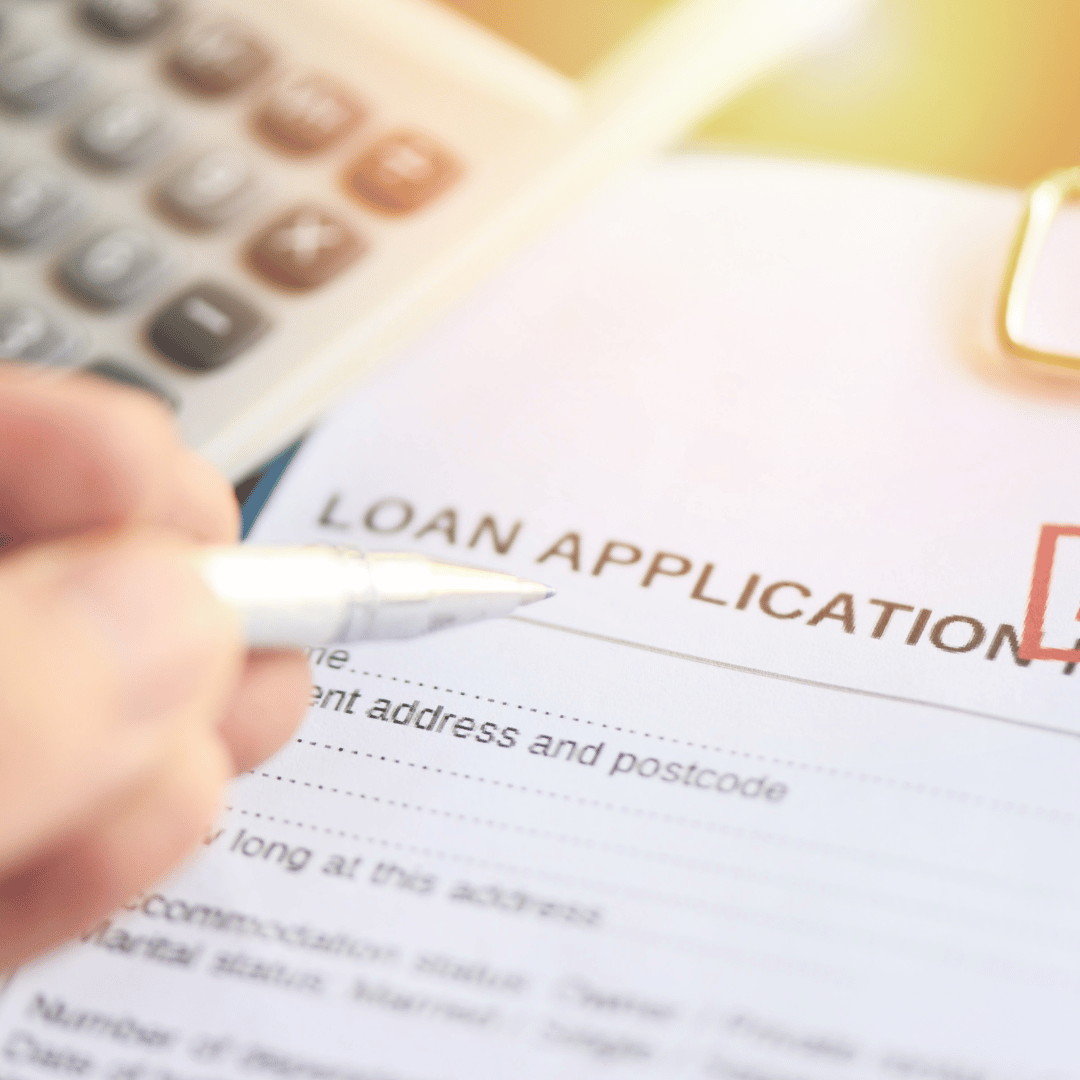
Online loans offer a fast and convenient way to borrow money, but not all online lenders are trustworthy. While many are legitimate, there are scammers who exploit unsuspecting borrowers. Here’s how to find a reliable lender, recognize potential scams, and make informed borrowing decisions.
Key Takeaways
- Many legitimate lenders operate exclusively online, offering streamlined loan application processes.
- Scammers may pose as online lenders to steal personal information or money.
- Warning signs of scams include unsolicited offers, upfront fees, and unregistered lenders.
- Verifying a lender’s legitimacy and understanding common scams can protect you.
What Is an Online Loan?
An online loan is a type of credit issued by lenders that operate entirely online. Borrowers can complete the entire process—from application to receiving funds—without visiting a physical location. Personal loans are one of the most common types of online loans.
How It Works
- Application: Borrowers provide personal and financial details, including income and employment information.
- Pre-qualification: Some lenders offer pre-qualification without a hard credit check, allowing borrowers to compare options.
- Approval and Funding: Once approved, funds are often deposited directly into the borrower’s account within hours or days.
Why Consider an Online Loan?
Advantages
- Convenience: Complete the entire process from any device, any time.
- Speed: Many online lenders offer near-instant approval and fast funding.
- Lower Costs: Without physical branches, online lenders often have lower fees.
How to Check if an Online Lender Is Legitimate
To avoid scams, it’s essential to verify the lender’s credibility. Here’s how:
1. Confirm State Registration
Check with your state’s attorney general or banking regulator to ensure the lender is authorized to operate in your state.
2. Inspect the Website
- Look for a secure URL (starting with “https”).
- Avoid sites with misspellings, poor design, or warnings from your browser.
3. Review the Lender’s Contact Information
Legitimate lenders provide a physical address, phone number, and email. Be cautious if contact details are missing or vague.
4. Read Reviews
Check customer reviews on reputable platforms like Trustpilot or the Better Business Bureau.
5. Search for Complaints
Use resources like the Consumer Financial Protection Bureau’s complaint database to identify potential issues.
Warning Signs of Online Loan Scams
Scammers often use deceptive tactics to appear legitimate. Watch out for these red flags:
1. Unsolicited Offers
If a lender contacts you unexpectedly via email, text, or call, it may be a scam.
2. Guaranteed Approval
Legitimate lenders never promise approval without assessing your creditworthiness.
3. Upfront Fees
Reputable lenders don’t charge fees before funding your loan. Scammers may ask for “application” or “processing” fees.
4. Lack of Registration
Unregistered lenders aren’t legally authorized to issue loans in your state.
Common Online Loan Scams
Advance Fee Loan Scams
Scammers promise a loan regardless of credit history but demand upfront payments for processing or approval. The promised loan never materializes.
Phishing Scams
Fraudsters impersonate legitimate companies to steal personal information, which they use for identity theft or financial fraud.
Frequently Asked Questions (FAQs)
Are Interest Rates on Online Loans Higher?
Interest rates depend on your creditworthiness and the lender. Comparing offers from multiple lenders, both online and traditional, can help you secure the best rate.
Should I Apply for a Loan Online or In Person?
Online loans are faster and more convenient but lack the personalized guidance of in-person applications. Choose the option that aligns with your needs and comfort level.
Where Can I Report a Loan Scam?
You can report scams to:
- Federal Trade Commission (FTC)
- Consumer Financial Protection Bureau (CFPB)
- Internet Crime Complaint Center (IC3)
You may also contact your local police department.
The Bottom Line
Online loans can be a practical and cost-effective option for borrowing money, often offering lower fees and faster service than traditional lenders. However, scams are prevalent in the online lending space. Protect yourself by verifying the lender’s legitimacy, recognizing red flags, and staying informed about common scams. Being cautious will help ensure a safe and successful borrowing experience.
Post a comment
Related Posts

March 14, 2026
Denied Student Loan Forgiveness? These Are the Best Ways to Adjust Your Budget
You may have set your savings goals around the expectation that your student debt will…

March 14, 2026
Student Loan Interest Rates
The 10 Greatest Entrepreneurs Close The interest rate on a federal undergraduate student loan for…

March 14, 2026
How Long Does It Take to Pay Off Student Loan Debt?
For the most part, how long it takes to pay off student loan debt depends…

March 14, 2026
Should You Get a Personal Loan for an Engagement Ring?
Using a personal loan to finance an engagement ring is a viable option, especially if…