



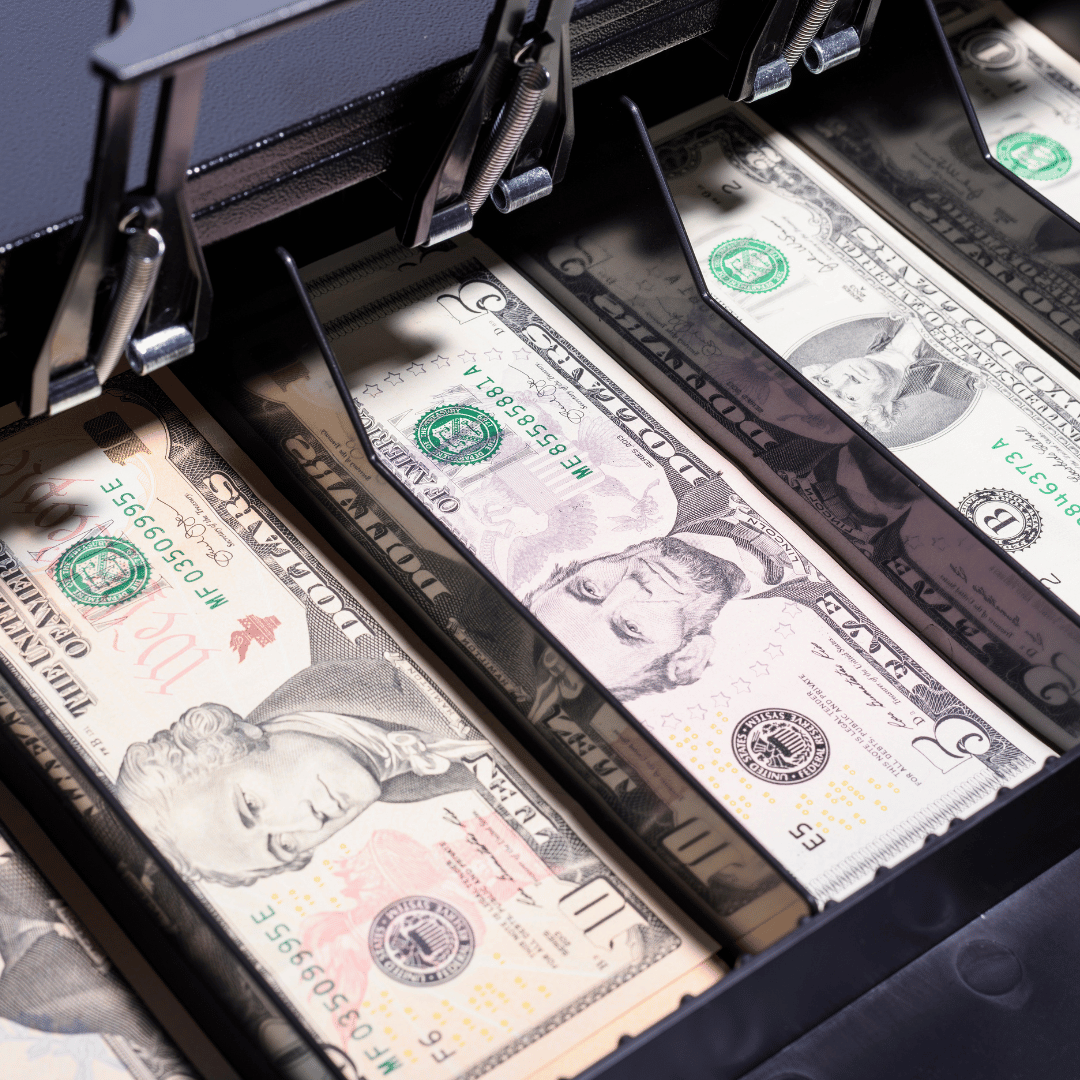
When Cash Becomes a Double-Edged Sword
Cash is often seen as a company’s lifeline—the more, the merrier, right? Not always. Believe it or not, there is such a thing as having too much cash, and this can raise red flags for investors. While a healthy cash reserve can indicate strong financial performance, an overflowing treasury may signal inefficiencies or missed opportunities. Let’s dig deeper.
Key Takeaways
- Companies can face challenges from having excessive cash reserves.
- Persistent cash surpluses raise questions about management’s ability to deploy funds effectively.
- Growing cash reserves often reflect robust revenue generation, particularly in sectors with low capital expenditures.
- Capital-intensive firms struggle to maintain high cash levels due to ongoing equipment and inventory costs.
- To assess a company’s cash needs, investors should consider future cash flows, business cycles, capital expenditure plans, and upcoming liabilities.
Good Reasons for Extra Cash
Not all surplus cash is a bad thing. Sometimes, it’s a hallmark of exceptional performance. When a company’s cash reserve grows faster than it can be deployed, it’s often because the business is thriving. For instance, industries like software, entertainment, and media don’t require heavy capital expenditures, allowing cash to accumulate.
On the other hand, capital-intensive businesses like steel production demand significant reinvestment in equipment and inventory, making it harder to retain cash. Cyclical industries, such as manufacturing, must maintain larger cash reserves to weather economic downturns. Here, excess cash acts as a financial buffer rather than a sign of inefficiency.
Bad Reasons for Extra Cash
When excess cash becomes a permanent fixture on the balance sheet, it may signal deeper issues. Investors should scrutinize why the money isn’t being put to work. Is management out of ideas? Are they too risk-averse to pursue growth? Such hesitations can be costly, as holding idle cash comes with significant opportunity costs.
For example, if a company can achieve a 20% return on equity by investing in a new project but instead keeps cash in the bank earning minimal interest, it’s a wasted opportunity. Worse still, large cash reserves can breed complacency, leading to inefficient spending and lax cost controls. Without the pressure to perform, management may allow operating expenses to balloon.
How Companies Disguise Excess
Some companies justify surplus cash under the guise of “strategic reserves” or “restructuring reserves.” While these terms may sound prudent, they often serve as excuses for hoarding cash. Investors should be wary of such explanations, as they may mask a lack of discipline or transparency.
Additionally, excessive cash allows companies to bypass the checks and balances of capital markets. Instead of raising funds publicly—a process that subjects management to scrutiny and accountability—cash-rich firms may pursue costly, unvetted projects or “empire-building” acquisitions that erode shareholder value.
The Bottom Line
Cash is critical, but like any resource, it’s best in moderation. Investors should evaluate a company’s cash position through a financial lens, weighing factors such as future cash flows, business cycles, capital expenditure needs, and liabilities. A balanced approach ensures that cash reserves are neither squandered nor hoarded, striking the ideal equilibrium for sustainable growth and shareholder value.
Post a comment
Related Posts

March 14, 2026
Correlation Coefficients: Positive, Negative, and Zero
Understanding Correlation CoefficientsCorrelation coefficients measure the strength and direction of the linear relationship between two…

March 14, 2026
How to Become Your Own Stock Analyst
Why Take the DIY Approach to Stock Analysis?Nobody expects you to become your own doctor…

March 14, 2026
Operating Margin vs. EBITDA: What’s the Difference?
Operating margin and EBITDA are two measures of a company’s profitability. They are related but provide…

March 14, 2026
What Is Market Value, and Why Does It Matter to Investors?
Market value represents the price an asset commands in the marketplace—the sweet spot where buyer…