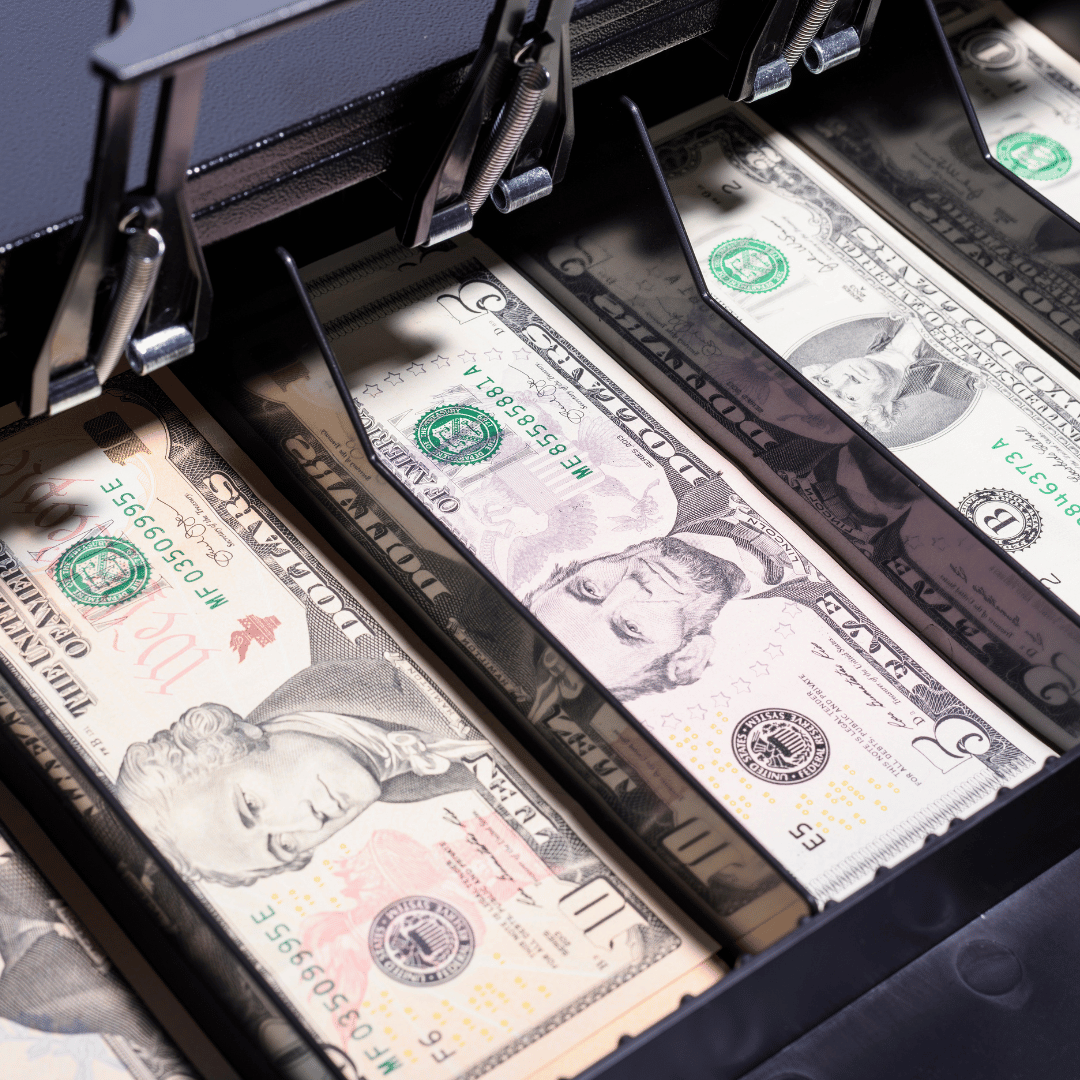




A credit card allows you to borrow money from a financial institution to pay for purchases or withdraw cash. You must repay the borrowed amount, plus any applicable interest and fees. Credit cards offer features like rewards, fraud protection, and credit-building opportunities.
Types of Credit Cards:
- Standard Cards: Basic features with no annual fees.
- Rewards Cards: Offer cash back, points, or travel miles.
- Premium Cards: Include perks like concierge services and travel insurance but often come with higher fees.
- Secured Cards: Require a security deposit and are ideal for building or repairing credit.
- Balance Transfer Cards: Feature low introductory rates for transferring balances from other cards.
- Charge Cards: No preset spending limit but require the full balance to be paid monthly.
What Is a Debit Card?
A debit card draws money directly from your linked bank account to pay for purchases or withdraw cash. It offers the convenience of plastic payment but without the ability to borrow funds.
Types of Debit Cards:
- Standard Debit Cards: Linked to a checking account.
- Prepaid Debit Cards: Preloaded with a specific amount of money.
- EBT Cards: Issued by government programs for specific benefits.
Key Differences:
| Feature | Credit Card | Debit Card |
| Source of Funds | Borrowed money (line of credit). | Money from your bank account. |
| Interest Charged | Yes, if balances aren’t paid in full. | No, unless overdraft protection is used. |
| Credit Building | Can build or hurt your credit score. | Doesn’t impact your credit score. |
| Fraud Protection | Strong protections under federal law. | Limited protections (time-sensitive). |
| Rewards | Cash back, points, miles, and perks. | Rare or minimal rewards. |
| Fees | Annual, late payment, foreign transaction, and more. | Potential maintenance or overdraft fees. |
| Usage Limit | Determined by credit limit. | Limited to account balance. |
Pros and Cons of Credit Cards
Pros:
- Build Credit History: Responsible use helps improve credit scores.
- Rewards and Perks: Cash back, travel points, and discounts.
- Fraud Protection: Limited liability for unauthorized charges.
- Purchase Protections: Extended warranties, price protection, and dispute resolution.
- Grace Period: Delayed payment with no immediate withdrawal from your account.
Cons:
- Risk of Debt: Spending beyond your means can lead to high-interest debt.
- Interest and Fees: APR and various fees can be costly.
- Credit Score Impact: Late payments or maxing out your limit can hurt your credit.
Pros and Cons of Debit Cards
Pros:
- Avoid Debt: Spending is limited to available funds.
- No Interest: No interest charges on purchases.
- Convenience: Easy access to cash and funds for everyday purchases.
- Lower Fees: Typically fewer fees compared to credit cards.
Cons:
- Limited Rewards: Few to no rewards for usage.
- No Credit Building: Doesn’t contribute to credit history.
- Fraud Risks: Can drain your account, and liability increases if fraud isn’t reported quickly.
When to Use Each Card
Use a Credit Card When:
- You want to build or improve your credit history.
- You’re making large or travel-related purchases to take advantage of rewards and protections.
- You need temporary financial flexibility.
Use a Debit Card When:
- You’re managing a strict budget or want to avoid overspending.
- You prefer immediate payment without carrying a balance.
- You want to avoid the risk of accumulating debt.
Frequently Asked Questions
1. Can You Earn Rewards With a Debit Card?
Most debit cards don’t offer rewards. However, some banks offer cash-back checking accounts or loyalty programs tied to debit card usage.
2. Do All Credit Cards Charge Interest?
Yes, but interest is only charged on balances carried past the grace period. Paying the balance in full each month avoids interest charges.
3. Are Credit Cards Safer Than Debit Cards?
Yes, credit cards typically offer stronger fraud protections and dispute resolution benefits.
4. Can You Use a Credit Card Without Impacting Your Credit Score?
Yes, as long as you pay your balance on time and keep your credit utilization low, credit cards can positively impact your score.
The Bottom Line
Both credit and debit cards offer convenience and security, but they serve different financial needs. If you’re focused on building credit and earning rewards, credit cards are invaluable. If you prioritize budgeting and avoiding debt, debit cards may be a better fit. Choosing the right card—and using it wisely—can help you make the most of your financial tools.
Post a comment
Related Posts
March 14, 2026
Secured vs. Student Credit Cards: Which to Choose?
Both secured and student credit cards are designed for individuals with little to no credit…
March 14, 2026
How to Get a Student Credit Card
Student credit cards are a great tool for managing expenses, building credit, and establishing financial…

March 14, 2026
How to Apply for a Credit Card
Applying for a credit card has become an easy and streamlined process, especially with the…
March 14, 2026
How Long Does It Take to Get a Credit Card?
The timeline for getting a credit card can vary depending on the application process, the…