



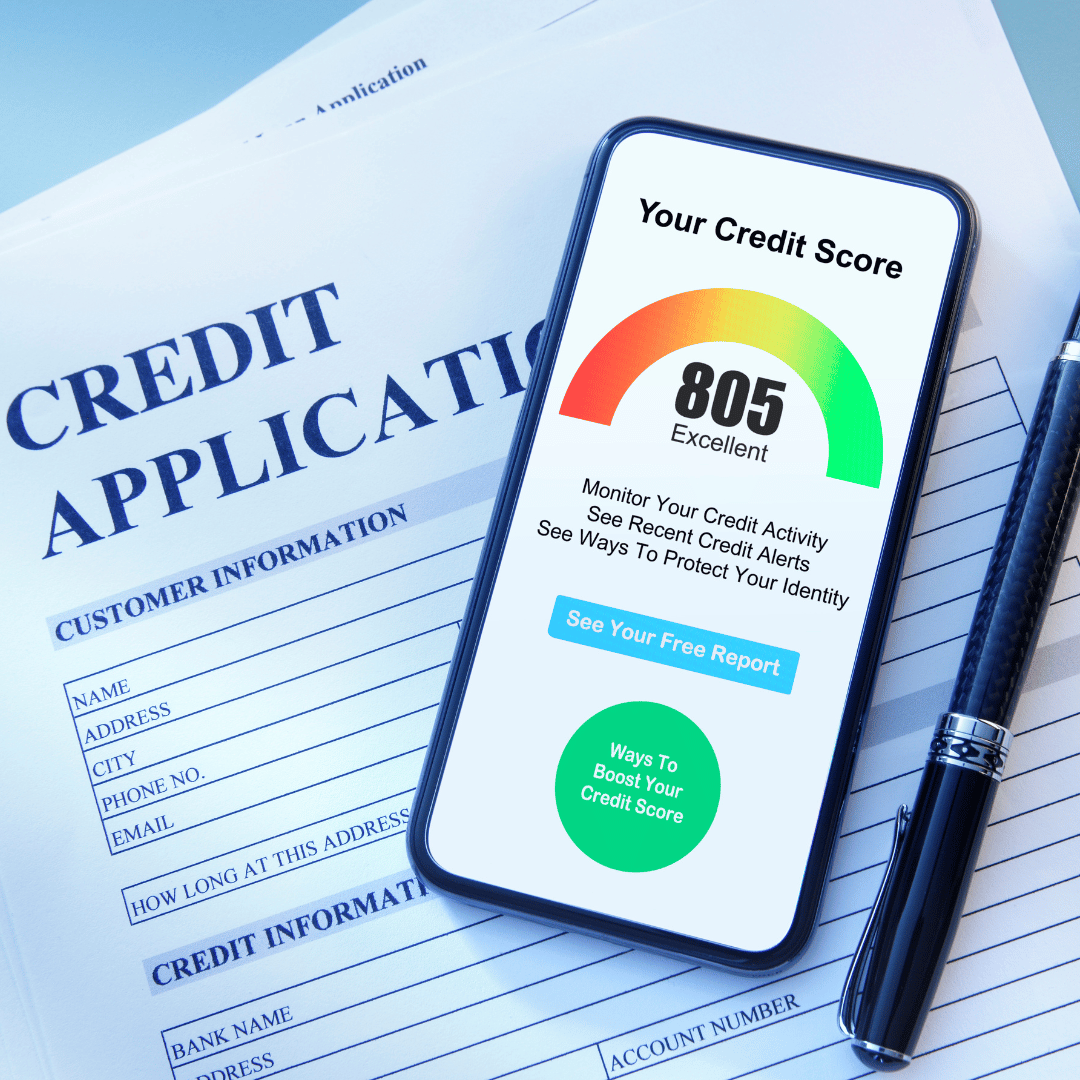
Short Answer: Yes, applying for a credit card can cause a temporary dip in your credit score, but the long-term effects can be positive if you use the card responsibly.
Key Points to Consider
- Impact of a Credit Card Application:
- Hard Inquiry: When you apply for a credit card, the issuer conducts a hard inquiry on your credit report. This can lower your score by a few points (typically 5 or less).
- Duration: The inquiry remains on your credit report for two years but affects your FICO score only for the first year.
- Pre-Qualification vs. Hard Inquiry:
- Pre-Qualification: This process allows you to check your chances of approval without a hard inquiry, meaning it won’t affect your credit score. However, pre-qualification does not guarantee approval.
- Factors That Could Temporarily Lower Your Score:
- New Credit Impact: Adding a new credit account slightly reduces the average age of your accounts, which could lower your score.
- Multiple Applications: Submitting multiple applications within a short period signals financial instability and could hurt your score further.
Long-Term Benefits of a New Credit Card
- Improved Credit Utilization Ratio:
- What It Is: Your credit utilization ratio is the amount of credit you’re using compared to your total available credit.
- How It Helps: Adding a new credit card increases your available credit. If your spending remains the same, your utilization ratio decreases, boosting your score.
- Building Payment History:
- Importance: Payment history accounts for 35% of your FICO score.
- Benefit: Making on-time payments on a new credit card improves this critical score factor.
- Enhanced Credit Mix:
- Definition: Your credit mix includes different types of credit (e.g., credit cards, loans).
- Impact: A diverse credit mix accounts for 10% of your score. Adding a credit card could strengthen this category if you don’t already have one.
How to Minimize the Negative Impact
- Avoid Frequent Applications:
- Space out applications to avoid multiple hard inquiries. A general rule is to wait at least six months between applications.
- Use Pre-Qualification Tools:
- These tools allow you to gauge approval odds without impacting your score.
- Plan Ahead:
- If you’re applying for a major loan (e.g., mortgage or auto loan), delay applying for a credit card until after the loan approval to preserve your score.
- Use Responsibly:
- Keep your balance low relative to your credit limit and pay off your balance on time to avoid interest and build positive credit history.
Common Questions
1. Will being denied for a credit card hurt my credit score?
No, the denial itself doesn’t affect your score. However, the hard inquiry from the application will still appear on your report and may lower your score slightly.
2. Should I apply for a credit card if I don’t plan to use it?
No, as unused cards can be closed by the issuer due to inactivity, potentially affecting your score. If the card has no fees, consider occasional use to keep the account active.
3. How many credit cards should I have?
There’s no perfect number, but managing 2-3 cards responsibly can help build credit. Avoid opening more cards than you can handle.
The Bottom Line
Applying for a credit card may cause a short-term dip in your credit score due to the hard inquiry, but the long-term benefits—such as reduced credit utilization, improved credit mix, and a strengthened payment history—can outweigh this temporary impact. Apply strategically, use your card responsibly, and monitor your credit to ensure that your financial decisions align with your goals.
Post a comment
Related Posts
March 14, 2026
Secured vs. Student Credit Cards: Which to Choose?
Both secured and student credit cards are designed for individuals with little to no credit…

March 14, 2026
How to Get a Student Credit Card
Student credit cards are a great tool for managing expenses, building credit, and establishing financial…

March 14, 2026
How to Apply for a Credit Card
Applying for a credit card has become an easy and streamlined process, especially with the…
March 14, 2026
How Long Does It Take to Get a Credit Card?
The timeline for getting a credit card can vary depending on the application process, the…