



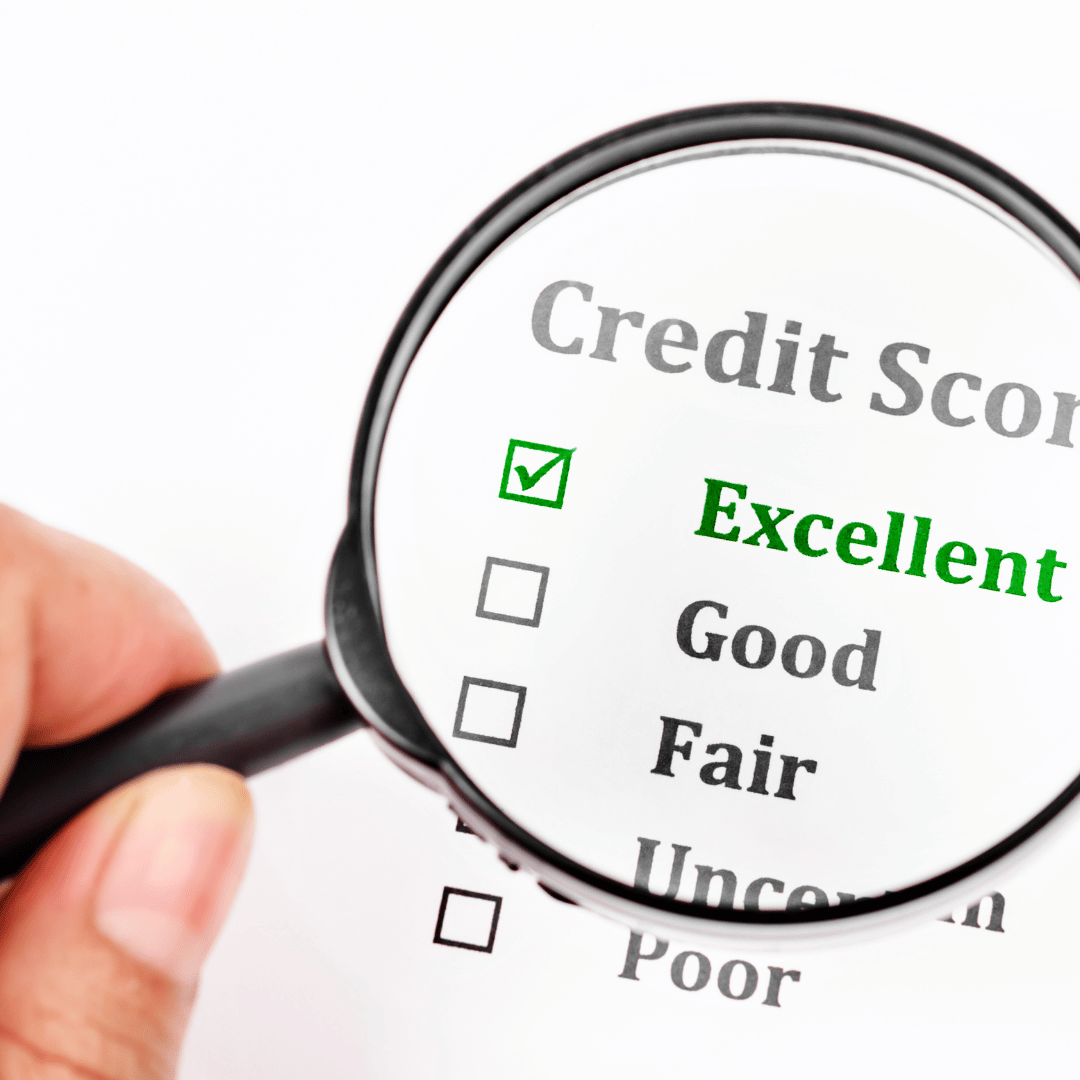
Your credit score is a crucial factor in your financial life, influencing everything from loan approvals to interest rates. Fortunately, checking your credit score is easy, harmless, and often free. Here’s how to stay on top of your credit without risking any damage to your score.
Key Takeaways
- Checking your own credit score or report doesn’t affect it—it’s considered a soft inquiry.
- Hard inquiries, made by lenders during credit applications, can temporarily lower your score.
- Free tools from banks, credit card issuers, and websites make monitoring your score simple.
- Regularly reviewing your credit reports can help you spot errors and track your financial progress.
Does Checking Your Credit Score Hurt It?
The simple answer is no. When you check your own credit score or credit report, it’s classified as a soft inquiry, which has no impact on your score.
A hard inquiry, on the other hand, occurs when a lender reviews your credit report during a credit application. These inquiries may lower your score by a few points (typically less than five) and remain on your credit report for two years.
Examples of Soft Inquiries
- Checking your own credit score.
- A creditor reviewing your file to monitor your account.
- An insurance company evaluating your credit for policy adjustments.
Examples of Hard Inquiries
- Applying for a new credit card or loan.
- Requesting a credit line increase.
Where to Check Your Credit Score
There are many ways to access your credit score—most of them free:
1. Bank or Credit Card Issuer
Many banks and credit card companies provide free access to your credit score as part of their services. They may also offer tools to simulate how changes, like missed payments or increased credit limits, could affect your score.
2. Free Credit Score Websites
Websites like Credit Karma or Credit Sesame provide free credit scores, often accompanied by educational resources. Be aware that the scores they provide might differ slightly from what lenders use, as there are multiple scoring models.
3. AnnualCreditReport.com
By law, you’re entitled to a free credit report from each of the three major bureaus—Equifax, Experian, and TransUnion—every 12 months. These reports don’t include your score but provide the raw data behind it.
How Credit Scores and Reports Work
Your credit score is a dynamic record of your financial activity. It changes as:
- Payments are made or missed.
- Account balances fluctuate.
- New credit inquiries appear.
Credit bureaus update scores monthly, reflecting your most recent financial behavior. Hard inquiries from lenders will appear on your credit reports, available from the three major bureaus.
What Is a Good Credit Score?
Credit scores range from 300 to 850. Here’s a breakdown:
- Exceptional (800–850): Top-tier borrowers with excellent financial habits.
- Very Good (740–799): Reliable borrowers eligible for competitive rates.
- Good (670–739): Average borrowers with decent creditworthiness.
- Fair (580–669): Riskier borrowers who may face higher rates.
- Poor (Below 580): Limited access to credit or unfavorable terms.
How Often Should You Check Your Credit Score?
It’s wise to check your credit score and reports periodically—at least once a quarter. This helps you:
- Monitor your financial health.
- Catch errors that could impact your score.
- Stay prepared for future credit needs.
The Bottom Line
Your credit score is a vital financial tool, and checking it regularly is a no-risk way to understand your standing with lenders. Use free resources from banks, credit card issuers, and official bureaus to keep tabs on your credit, and remember—staying informed is the first step toward financial success.
Post a comment
Related Posts
March 14, 2026
Secured vs. Student Credit Cards: Which to Choose?
Both secured and student credit cards are designed for individuals with little to no credit…

March 14, 2026
How to Get a Student Credit Card
Student credit cards are a great tool for managing expenses, building credit, and establishing financial…

March 14, 2026
How to Apply for a Credit Card
Applying for a credit card has become an easy and streamlined process, especially with the…
March 14, 2026
How Long Does It Take to Get a Credit Card?
The timeline for getting a credit card can vary depending on the application process, the…