



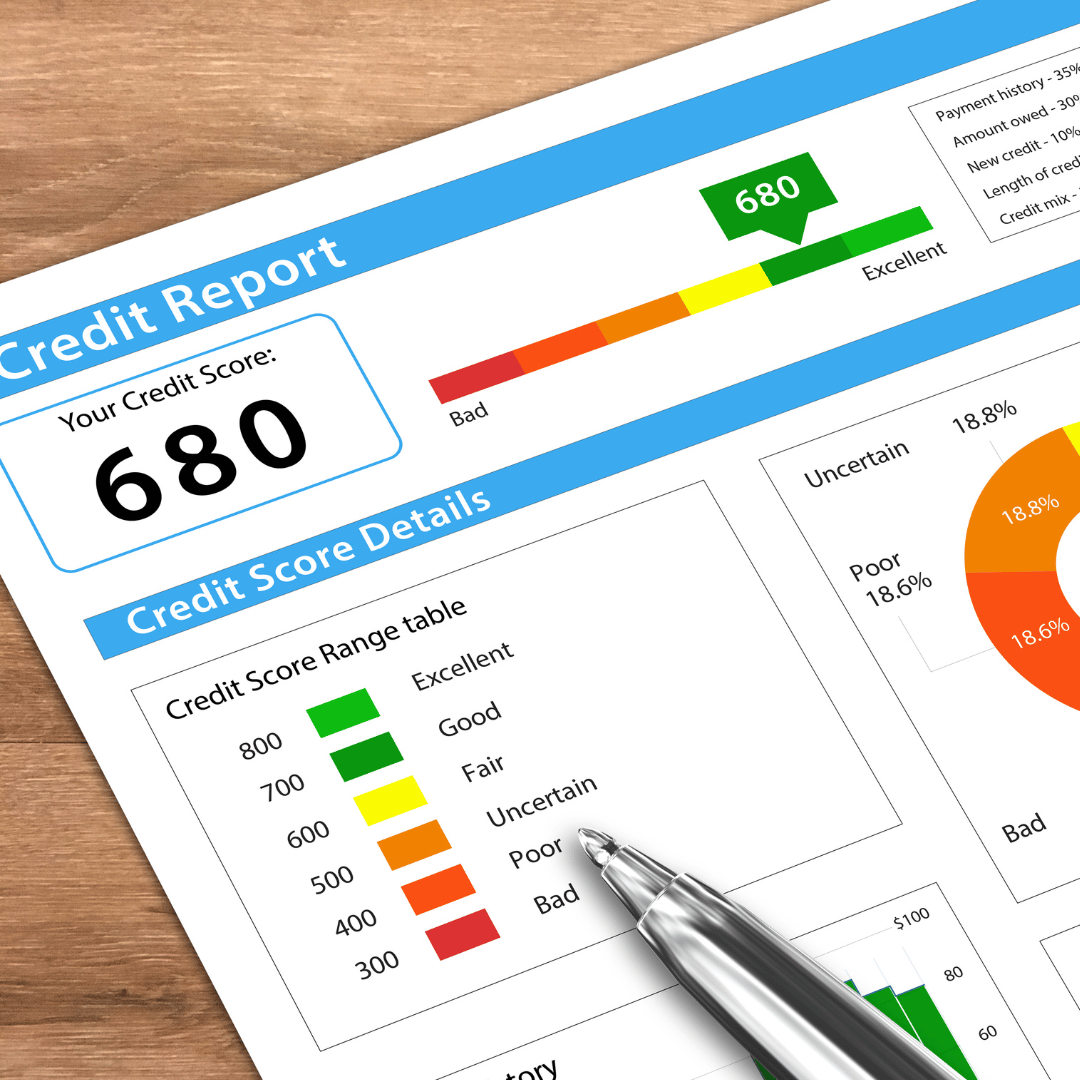
Credit scores are essential for unlocking financial opportunities, from securing loans to qualifying for rental applications. But what if you don’t have any credit history? Building your credit score from scratch might feel daunting, but with the right strategies, it’s entirely achievable. Here’s a guide to understanding how credit works and how to establish or improve your credit score when starting from zero.
Key Takeaways
- Credit scores are calculated based on your financial behavior and history.
- With no credit history, you don’t have a credit score, but you can build one by becoming an authorized user, opening secured cards, or leveraging rent and utility payments.
- The lowest possible credit score is 300, while a good FICO score ranges from 670 to 739.
How Credit Scoring Works
Credit scores are calculated using formulas like FICO or VantageScore, which rely on data in your credit report. Your credit report includes:
- Number of credit accounts.
- Payment history.
- Credit inquiries from applications.
- Public records like bankruptcies or foreclosures.
Without a credit history, your report lacks the data needed to generate a score. Approximately 45 million Americans are considered “credit invisible,” meaning they don’t have enough credit history to calculate a score.
How FICO Scores Are Calculated
FICO, used by 90% of lenders, weighs the following factors:
- Payment History (35%): On-time payments boost your score; missed payments hurt it.
- Credit Utilization (30%): The percentage of your credit limit you’re using. Lower utilization is better.
- Credit Age (15%): How long your accounts have been active.
- Credit Mix (10%): A variety of credit types (e.g., loans, credit cards) can improve your score.
- Credit Inquiries (10%): Frequent applications for credit can lower your score temporarily.
Fastest Ways to Build Credit
If you’re starting without a credit score, here are some proven methods to establish credit quickly:
1. Become an Authorized User
Ask a trusted friend or family member to add you as an authorized user on their credit card. This allows you to benefit from their good credit habits without being responsible for the debt. Positive activity on their account, such as timely payments, will appear on your credit report.
2. Apply for a Secured Credit Card
Secured credit cards are ideal for beginners. They require a deposit, which acts as your credit line. Using the card responsibly—making purchases and paying the balance in full—can help you build a positive payment history.
3. Try a Store Credit Card
Retail credit cards often have more lenient approval requirements. While they typically have higher interest rates and lower limits, they can help you establish credit if used wisely. Avoid carrying a balance to prevent high interest charges.
4. Report Rent and Utility Payments
Services like Experian Boost allow you to add rent, utility, and even streaming service payments to your credit report. These payments can help increase your FICO 8 score, though not all lenders use this version.
Additional Tips for Building Credit
Monitor Your Credit Report
Visit AnnualCreditReport.com to check your credit report for free. This ensures your information is accurate and helps you track your progress.
Limit Credit Applications
Applying for too many accounts in a short time can result in hard inquiries, which may lower your score temporarily.
Increase Credit Limits Without Increasing Balances
Requesting higher credit limits on existing accounts while keeping spending low improves your credit utilization ratio, boosting your score.
Pay Off Debts Quickly
If you have any outstanding balances, focus on paying them off to demonstrate financial responsibility.
Frequently Asked Questions (FAQs)
What Is a Good Credit Score?
- A FICO score of 670 to 739 is considered good. Scores above this are very good or exceptional, while anything below 670 is fair or poor.
What Is the Fastest Way to Increase a Credit Score?
- Pay bills on time, become an authorized user, keep credit utilization low, and avoid unnecessary hard inquiries.
The Bottom Line
Building credit from scratch may take time, but the rewards are worth the effort. Higher credit scores open doors to better interest rates, higher credit limits, and improved financial flexibility. Start small with secured cards, authorized user status, or rent reporting services, and watch your score grow. Consistent, responsible financial habits today will lay the foundation for a stronger financial future tomorrow.
Post a comment
Related Posts

March 14, 2026
Secured vs. Student Credit Cards: Which to Choose?
Both secured and student credit cards are designed for individuals with little to no credit…

March 14, 2026
How to Get a Student Credit Card
Student credit cards are a great tool for managing expenses, building credit, and establishing financial…

March 14, 2026
How to Apply for a Credit Card
Applying for a credit card has become an easy and streamlined process, especially with the…

March 14, 2026
How Long Does It Take to Get a Credit Card?
The timeline for getting a credit card can vary depending on the application process, the…