


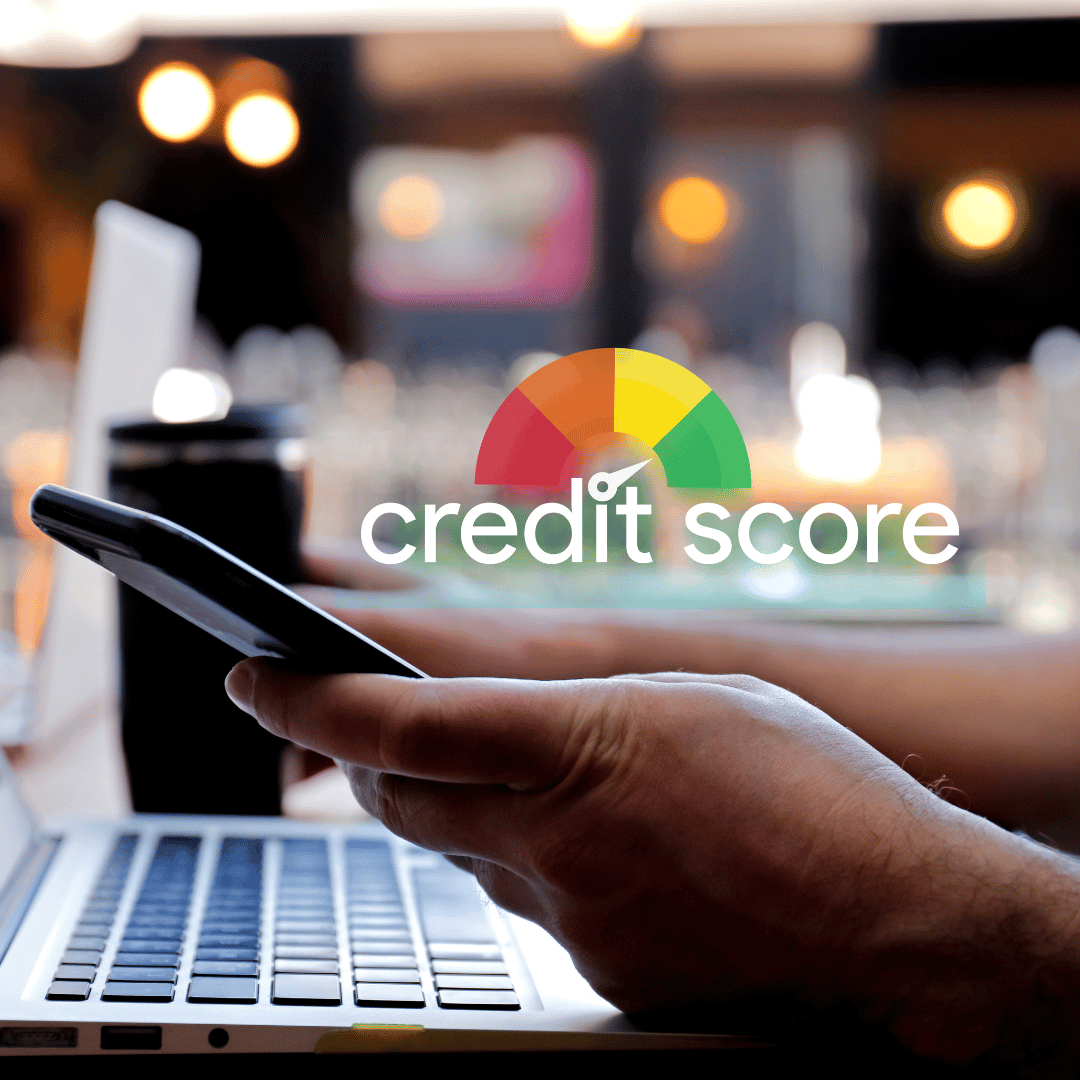
Your credit score is a critical measure of your financial health, influencing your ability to secure loans, credit cards, or even rent an apartment. But what causes a credit score to dip? From missed payments to identity theft, several factors can lead to a drop in your score. Here’s a breakdown of the most common reasons and how to address them.
Key Takeaways
- Late or missed payments are one of the most significant factors affecting credit scores.
- Applying for too much new credit or maintaining high credit utilization can negatively impact your score.
- Changes in credit history, reductions in credit limits, and identity theft can also play a role.
1. Late or Missed Payments
Your payment history accounts for 35% of your FICO score, making it the most significant factor. A few late payments won’t tank your score immediately, but repeated delinquencies will cause substantial damage.
Tips to Avoid Late Payments
- Set up automatic payments to ensure bills are paid on time.
- Create a budget to ensure funds are available for upcoming payments.
- Communicate with creditors if you’re struggling to pay. They may offer solutions like extending deadlines or adjusting payment terms.
2. Too Many Recent Credit Applications
Each application for new credit triggers a hard inquiry, which stays on your credit report for two years and may lower your score temporarily. Additionally, opening multiple accounts in a short period can reduce your credit account age, which accounts for 15% of your score.
How to Manage Credit Applications
- Rate Shop Smartly: For loans like mortgages, complete all inquiries within 14–45 days to minimize their impact.
- Prequalify First: Use tools to check eligibility for credit cards or loans before formally applying.
- Avoid applying for multiple credit cards simultaneously.
3. High Credit Utilization Ratio
Your credit utilization ratio measures how much of your available credit you’re using. A ratio above 30% can hurt your score. For example, if your total credit limit is $10,000 and your balance is $7,500, your utilization is 75%, which is considered high.
How to Lower Credit Utilization
- Pay down balances on credit cards.
- Keep accounts open even if they’re paid off to preserve your available credit.
- Request a credit limit increase, but avoid increasing your spending.
4. Changes in Credit History
Your credit history length and account activity also affect your score. For example:
- Closing old accounts reduces the average age of your accounts, which can lower your score.
- Opening new accounts temporarily lowers your average account age.
Tips for Managing Credit History
- Avoid closing old credit cards unless absolutely necessary.
- Limit opening new accounts unless needed.
5. Reductions in Credit Limits
If a lender lowers your credit limit, it can increase your credit utilization ratio, negatively impacting your score. For example:
- A limit reduction from $10,000 to $6,000 while carrying a $3,000 balance increases your utilization from 30% to 50%.
How to Mitigate Credit Limit Reductions
- Keep balances low to minimize the impact of limit reductions.
- Monitor for notifications of adverse actions from lenders.
- Request a credit limit increase from another issuer to offset reductions.
6. Identity Theft and Fraudulent Activity
Fraudulent accounts or unauthorized charges can lower your score by increasing utilization, adding new accounts, or resulting in missed payments.
How to Protect Against Identity Theft
- Review credit card statements regularly for suspicious charges.
- Monitor your credit reports from AnnualCreditReport.com for unfamiliar accounts or activity.
- Freeze your credit to prevent unauthorized accounts from being opened.
- Report any fraudulent activity immediately to creditors and credit bureaus.
Frequently Asked Questions (FAQs)
How Can I Avoid Late Payments?
Set up automatic payments or calendar reminders to ensure bills are paid on time.
How Does Credit Utilization Affect My Score?
High utilization (above 30%) can signal financial overextension, reducing your score. Reduce utilization by paying down balances or increasing available credit.
How Can I Minimize the Impact of Credit Applications?
Complete rate shopping for loans within a short window (14–45 days) and limit unnecessary credit applications.
How Can I Monitor for Identity Theft?
Check credit reports and account statements regularly. Use fraud alerts or credit freezes for added protection.
The Bottom Line
Your credit score is sensitive to a range of factors, from late payments and high utilization to identity theft. Understanding these potential pitfalls and taking proactive steps can help you maintain or improve your score over time. A strong credit score opens the door to better financial opportunities, lower interest rates, and greater peace of mind.
Post a comment
Related Posts
March 14, 2026
Secured vs. Student Credit Cards: Which to Choose?
Both secured and student credit cards are designed for individuals with little to no credit…
March 14, 2026
How to Get a Student Credit Card
Student credit cards are a great tool for managing expenses, building credit, and establishing financial…
March 14, 2026
How to Apply for a Credit Card
Applying for a credit card has become an easy and streamlined process, especially with the…
March 14, 2026
How Long Does It Take to Get a Credit Card?
The timeline for getting a credit card can vary depending on the application process, the…