


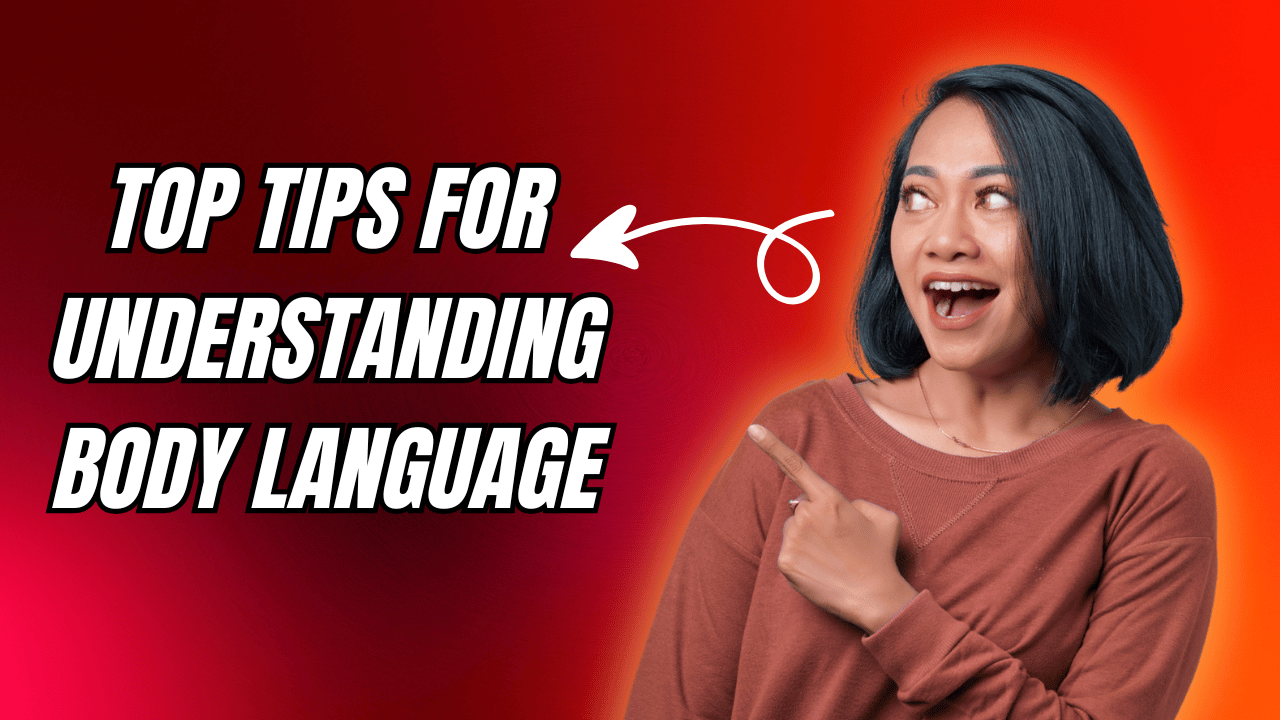
Reading and responding to people’s non-verbal cues can feel like deciphering a secret code. With so many cultural differences, personality quirks, and individual preferences in the mix, it’s easy to send or receive the wrong signals. But fear not—by learning to spot some common signs (and remembering a few important caveats!), you’ll be better equipped to tune into both what’s said and what’s unsaid.
Why Body Language Matters
Body language can tell a story that words leave out. Gestures, facial expressions, and subtle movements reveal how people feel, what they intend, and what mood they’re in. But not everyone “reads” these signs the same way. Factors like cultural norms, neurodivergence, and personal comfort can impact how body language is displayed or interpreted. The key is to stay curious, non-judgmental, and aware of the broader context.
Use these top tips to get a head-to-toe overview of body language signals—and remember, there is no “one-size-fits-all.” Understanding someone’s unique expressions can help you support your teammates, friends, and direct reports more effectively.
1. Head and Face
- Head Position
- Holding your head upright, eyes forward: exudes confidence and authority.
- Slight head tilt: signals active listening and warmth.
- Nodding: means “I’m hearing you”—but watch the pace! Fast, vigorous nodding can say “Wrap it up, please.”
- Facial Touching
- Fidgeting with your hair, face, or mouth can be distracting and may come off as nervousness or discomfort.
- Cultural Quirk
- Not everywhere is a nod a “yes!” In Greece and Bulgaria, nodding up and down actually means “no.” 111
2. Eyes
They’re often called the “windows to the soul” for a reason! We can pick up a lot—shock, surprise, friendliness, or disinterest—just from someone’s eyes.
- Eye Contact
- Regular eye contact can signal genuine interest in the person you’re talking to.
- Staring too intensely can be uncomfortable or even intimidating; brief glances away are natural.
- When talking to a group, try to make eye contact with each person (without darting your eyes too quickly!).
- Cultural Differences
- In some Asian, African, and Latin American countries, sustained eye contact might be viewed as aggressive. Meanwhile, avoiding it can show respect for elders or superiors. 222
- For some people, including those with neurodivergent conditions or visual impairments, maintaining eye contact can be difficult or even painful. Always consider the context before jumping to conclusions.
3. Mouth
- Pursed or Twisted Lips
- May indicate displeasure, disagreement, or deep thought.
- Smiling
- A genuine smile (mouth and eyes both involved) comes across as warm and approachable.
- A forced smile can be spotted a mile away—if the rest of your face isn’t smiling, people pick up on it fast.
- Hand Over Mouth
- Often a nervous gesture, suggesting uncertainty about what you’re saying.
4. Arms
- Crossed or Folded Arms
- Can suggest defensiveness or disagreement.
- Open Arms and Palms
- Often show openness, honesty, and a willingness to engage.
- Hands Clasped Behind the Back
- A sign of confidence and authority.
- Neurodivergent Considerations
- Conditions like dyspraxia can affect coordination, so body language might look different. 333
5. Hands
Hands can be dramatic storytellers all on their own, emphasizing points (pointing or gesturing), indicating agreement (thumbs up), or illustrating sizes and shapes in midair.
- Palms Up or Out
- Signals honesty or openness—“I’ve got nothing to hide.”
- Palm Down
- Can be read as dominant or even aggressive.
- Steepling Fingers (fingertips touching like a peak)
- Suggests confidence, superiority, or authority.
- Hands Behind Head
- Can come across as cocky or controlling.
- Handshakes
- A firm handshake is often interpreted as confident in many Western cultures. But some cultures prefer gentler shakes or avoid them altogether. Pay attention to cultural nuances.
- Cultural Differences
- The “OK” sign (thumb and forefinger forming a circle) offends some in Brazil.
- A thumbs up can be quite rude in parts of the Middle East and in Sardinia and Greece. 444 555
- When in doubt, keep hand gestures simple.
6. Legs and Feet
- Crossed Legs
- Can indicate defensiveness, but sometimes it’s just a comfortable way to sit.
- Open Leg Positions
- Often observed in men. Might suggest comfort or confidence.
- Closed Leg Positions
- Often observed in women. Not always defensiveness—it could be a cultural norm or personal preference.
- Cultural Note
- Crossing legs or showing the soles of your feet can be considered disrespectful in Japan or parts of the Middle East and India. 666 777
- Feet Pointing Toward the Door
- Often a clue that someone’s bored or ready to leave.
7. Posture and Position
- Posture
- Sitting up straight but relaxed can convey confidence.
- Slouching may imply boredom or uncertainty.
- Stiff posture could be read as stubbornness—but maybe they just have a bad back!
- Leaning
- Leaning in: shows interest and engagement.
- Leaning back: can look confident… or arrogant. Watch for clues like crossed arms or pursed lips to see if it’s disagreement or just comfort.
- Personal Space
- Standing too close can feel pushy or aggressive.
- Standing too far might come off as aloof.
- Preferences vary from culture to culture. British, German, Australian, and Japanese people usually prefer more personal space than those from Latin America. 888
- Neurodivergent individuals might be comfortable with different personal space boundaries, especially if eye contact is challenging. 999
8. Fidgeting
Tapping a pen, jingling coins, or rubbing your ear—all these little movements can announce nervousness, boredom, or restlessness. But again, it might just be a habit or a quirk. Consider the context and other signals.
9. Mirroring
This is where you subtly reflect someone else’s gestures, posture, or tone of voice to build rapport—without outright mimicking them.
- How to Mirror
- If someone’s leaning forward, you might lean forward just a touch.
- Match facial expressions as appropriate.
- Tone down your voice if they’re speaking softly, to show empathy.
- Why It Works
- Mirroring fosters a sense of connection and understanding.
Final Thoughts
Body language can give us fascinating insights, but it’s not a perfect science. Everyone is unique, and cultural, personal, or neurodivergent influences can mean the same gesture looks or feels very different from one person to the next. Rather than making snap judgments, remember to:
- Pay attention to context (Do you really know why someone looks stiff? Is it a sore back, or are they feeling defensive?)
- Blend words and actions (Listen to what’s said, and combine it with what’s shown.)
- Be mindful of neurodiversity (Lack of eye contact or certain facial expressions might not signal disinterest—it could be a symptom of autism or another neurodivergence.)
- Ask questions (If you’re unsure, it’s okay to gently clarify with the person: “Is this a good time to chat?” or “How are you feeling about this?”)
If reading body language is tricky for you, consider being open with your team about it. Invite them to tell you what helps them feel most comfortable. After all, communication is a two-way street—and we’re all just trying to find our way to a better connection.
Post a comment
Related Posts

March 10, 2026
Write Right: Elevate Your Words to New Heights
Anyone can pick up a pen (or crack open a laptop) and write. But creating…

March 10, 2026
Talk the Talk: Mastering the Art of Appropriate Business Language
In today’s fast-paced professional world, the way you communicate can either elevate your reputation or…
March 10, 2026
Top Tips for Communicating With Impact
Good communication is about more than just sending out facts and figures. It’s about truly…
March 10, 2026
Improving Your Verbal Understanding
Do you ever feel like your brain’s running on autopilot? If so, it’s time to…