



Protecting your property is one of the smartest financial moves you can make. A solid policy shields your investment from unexpected events like storms, fire, or theft.
Recent trends show this vital coverage is becoming more expensive. Data reveals over 54% of U.S. homeowners reported a significant premium increase in the last year.
You are not powerless against rising costs. A strategic approach to comparing quotes from various reputable providers can lead to substantial savings. Research from NerdWallet, which analyzed over 100 insurers, helps identify where value lies.
This guide cuts through the complexity. It provides the insights you need to navigate the market and secure a policy that offers strong protection without straining your budget.
Key Takeaways
- Systematically comparing quotes from multiple companies is the most reliable path to affordable coverage.
- Your dwelling’s specific profile, including its location and construction, directly influences your rates.
- A large percentage of policyholders experienced premium hikes recently, making it a good time to review your policy.
- Many homeowners switch providers to find better value; about 12% did so in a recent 12-month period.
- Leveraging large-scale industry analysis can pinpoint the most cost-effective insurers for your needs.
- Ensuring you have adequate protection is a fundamental responsibility for any property owner.
Understanding the Landscape of Home Insurance in the US
Navigating the world of property coverage requires an understanding of current trends and regional differences. The market is dynamic, influenced by both widespread economic forces and local risks.
Overview of Market Trends and Regional Variations
Industry experts at NerdWallet analyzed pricing data from more than 100 insurers. This research provides a clear picture of the current homeowners insurance landscape.
Rates vary widely across the United States. Your location is a primary driver, as areas prone to natural disasters often see higher premiums.
Construction material costs and the frequency of severe weather events also shape the market. These factors make annual premiums differ significantly from one state to another.
Factors Influencing Insurance Costs Today
Several personal elements directly affect your quoted price. The age of your dwelling and your financial history are crucial.
Newer properties often meet modern safety codes, which can reduce risk. Your credit score and past claims are used to assess your specific risk profile.
Remember, dwelling coverage is based on rebuild costs, not market value. Staying informed on these points helps you make smarter decisions.
| Factor | How It Affects Premium | Typical Impact |
|---|---|---|
| Geographic Location | Areas with high risk of storms, floods, or wildfires. | Can increase costs by 50% or more. |
| Credit History | Insurers use credit-based insurance scores. | Better score often leads to lower rates. |
| Claims History | Previous claims indicate higher future risk. | Multiple claims can significantly raise premiums. |
| Age of Home | Older homes may have outdated systems. | Newer builds may qualify for discounts. |
How to Identify the Cheapest Home Insurance Options
Your journey to a low-cost policy begins with understanding how to effectively compare insurers. This process involves two key steps: scrutinizing providers and understanding available savings.

Comparing Homeowners Insurance Companies
Always get quotes using the same coverage limits and deductible. This gives you a true apples-to-apples comparison.
Bankrate’s editorial team used November 2025 premium data from Quadrant Information Services to rank providers. They only considered companies with strong financial scores.
Look beyond the initial price. You must assess the value and details of the coverage offered.
| Comparison Factor | Why It Matters | Action Tip |
|---|---|---|
| Premium Quote | The base cost for your specific policy. | Get at least three quotes from different home insurance company options. |
| Financial Strength | Ensures the insurer can pay future claims. | Verify an AM Best rating of ‘A’ or higher. |
| Coverage Details | Specifics on what is and isn’t protected. | Read the policy documents carefully before deciding. |
| State License | Confirms the provider is legally allowed to operate where you live. | Check your state’s department of insurance website. |
Evaluating Discounts and Coverage Endorsements
Many carriers offer savings for actions like bundling auto and property policies. Installing security systems can also lead to lower premiums.
Endorsements are add-ons that customize your plan. They provide extra protection for specific risks, like sewer backups or expensive jewelry.
Evaluating these options helps you build a policy that fits your needs and budget perfectly.
Reviewing the Best Cheap Home Insurance Options
Finding a policy that balances cost and quality involves reviewing specific company features. You need to look at both initial premiums and long-term value.
This analysis highlights carriers known for strong financial scores and customer happiness. It helps you make an informed choice for the cheapest homeowners insurance that doesn’t compromise on protection.
Key Features of Budget-Friendly Policies
Economical plans often focus on essential dwelling coverage. They allow you to skip unnecessary add-ons that increase your annual premium.
Many top-rated providers offer digital tools for managing your policy. These apps make filing claims faster and more efficient.

Transparency about options and discounts is another hallmark of good value. The best insurers clearly explain what is included.
Insights from Customer Satisfaction and Value Ratings
USAA holds an A++ (Superior) financial strength rating from AM Best. It is widely recognized for exceptional service, though eligibility is limited.
American Family has improved its J.D. Power customer satisfaction score from 2024 to 2025. This makes it a strong contender for budget-conscious shoppers.
When reviewing homeowners insurance companies, consult studies like the J.D. Power 2025 U.S. Home Insurance Study. High ratings often correlate with reliable claim payouts and clear communication.
The ideal option provides a balance between low rates and the stability to handle disasters. Always verify an insurer’s license and reputation in your state.
Analyzing Insurance Rates and Coverage Options
Analyzing your coverage requires a clear grasp of two fundamental pillars: protecting your structure and shielding your finances. Beyond these basics, customizable add-ons let you build a plan that fits your specific situation perfectly.

Understanding Dwelling Coverage and Liability Limits
Your dwelling coverage is the cornerstone of your policy. It pays to rebuild your house if it’s destroyed. This limit is based on construction costs, not market value.
NerdWallet’s standard analysis used $400,000 for this coverage. You must ensure your limit is enough for a total rebuild in your area.
Liability limits are your financial shield. If someone gets hurt on your property and sues, this part of your policy protects your savings and assets. A common standard, like the $300,000 in the sample policy, provides solid protection.
Optional Endorsements and Customizable Plans
Standard policies don’t cover every risk. That’s where endorsements come in. These are add-ons that customize your plan.
You can buy specific protection for risks like water backup or identity theft. This turns a generic policy into your personal safety net.
Reviewing these coverage options ensures you pay only for what you need. It tailors your homeowners insurance to your unique life, avoiding gaps and unnecessary costs.
Insights from Coverage.com and Bankrate Data
Trustworthy data is the foundation of any smart policy decision. Platforms like Coverage.com and Bankrate provide the analysis you need to compare your options effectively.
Their research cuts through marketing claims. It gives you a clear view of the market based on hard numbers.
How Premium Information Is Sourced
Premium data comes from rigorous research. For example, Bankrate’s editorial team obtained November 2025 premium information from Quadrant Information Services.
This firm is a leading provider of insurance data. Similarly, NerdWallet analyzed pricing from over 100 insurers to find value.

This methodology ensures the information services are accurate and comprehensive. You get a true picture of costs across many insurance companies.
Interpreting Financial Strength and Customer Reviews
Always check an insurer’s financial score. Look for an AM Best rating of ‘A’ or higher for claim-paying ability.
Customer reviews from the Better Business Bureau offer real-world insights. They show how a company handles the claims process.
By relying on these data-backed insights, you avoid choosing based solely on a low advertised price. You secure protection that is both adequate and reliable.
The Impact of Credit Scores and Claims on Insurance Costs
Two personal factors quietly shape your annual premium more than almost anything else. Your financial reliability and your history of filing claims are powerful predictors of risk for carriers.
Understanding this relationship is key to managing your insurance costs effectively.
Effects of Poor Credit on Premium Rates
Your credit score is a significant rating used by most insurers. Actuarial data shows a clear link between lower scores and a higher frequency of claims.
This perceived risk translates into much higher prices. For a policy with $300,000 in dwelling coverage, owners with poor credit pay an average of $5,122 per year.
Those with good credit pay just $2,424 for the same protection. This stark difference highlights why maintaining a solid financial profile matters.
It’s important to know your state’s rules. California, Maryland, and Massachusetts prohibit using credit scores to set rates for residents.

How a Claims History Can Influence Your Costs
Filing a claim, even for a legitimate reason like wind damage, signals future risk to your provider. Most major carriers will increase your premium after a claim.
Multiple claims in a short period can lead to a more severe outcome: nonrenewal. Once nonrenewed, finding affordable homeowners insurance becomes much harder.
Always weigh the cost of repairs against your deductible and potential long-term premium hikes. For minor repairs, paying out-of-pocket may be the smarter financial move.
Improving your credit score over time and being strategic with claims are two of the most effective ways to secure better rates. This disciplined approach helps you find the cheapest homeowners insurance that still offers strong protection.
Special Considerations for New Homeowners
Becoming a homeowner introduces new responsibilities, including finding a policy that aligns with your fresh start. The market offers specific advantages for first-time buyers.
New Purchase Discounts and First-Time Buyer Benefits
Many providers view new property owners as a lower-risk group. This perception can work in your favor when seeking affordable protection.

Major carriers like Nationwide, Travelers, and Allstate often provide first-time buyer incentives. Grange and Progressive are also known for competitive rates for new customers.
Securing your policy before the official closing date may trigger an early shopping discount. Inquiring about rewards for dwellings that meet current safety standards is also wise.
Modern construction is a key factor. Newer properties typically cost less to insure because they adhere to the latest building codes.
This reduces the risk of system failures. It makes your dwelling less prone to the wear and tear common in older structures.
Always compare quotes from multiple providers. This ensures you get the best possible value for your new property.
Protecting your investment with the right insurance company is a crucial step. It solidifies your transition into prepared homeownership.
Comparing Top Insurers: USAA, State Farm, Progressive, and More
A side-by-side look at leading carriers reveals critical differences in availability, perks, and specialized coverage.
Understanding these nuances helps you match a provider’s strengths to your specific situation.
Pros and Cons of Major Home Insurance Companies
State Farm is the largest provider in the U.S. It offers unique perks like a free Ting smart device to monitor electrical systems.
Progressive provides a useful platform. You can compare its own policies alongside those of other carriers to find the best options.
USAA offers exceptional service and low premiums. Its policies are restricted to the military community and their families.
Auto-Owners is known for flexible policies and superior financial strength. It is currently available in 26 states.
American Family stands out for its extensive list of endorsements. These include coverage for sewer backup and service line protection.
Regional Availability and Unique Coverage Options
Your location matters. Auto-Owners offers property coverage in 26 states through independent agents.
American Family issues policies in 19 states. It provides specialized protection like flash flood and hidden water damage coverage.
When comparing insurance companies, remember that regional carriers may sometimes offer better value than large national firms.
For a modern experience, consider Hippo. It works with A-rated insurers and offers a streamlined digital platform.
You can manage your policy and file claims through its single mobile app. This represents a new model among home insurance companies.
Leveraging Bundling: Home and Auto Insurance Savings
One of the simplest ways to reduce your annual expenses is to package multiple policies together. This strategy, known as bundling, is actively encouraged by carriers.
How Bundling Can Lower Your Overall Premium
Companies provide significant price reductions for customers who consolidate. For example, Erie offers a discount of up to 25 percent for combining home and auto insurance.
Nationwide provides similar savings of up to 20 percent. Many other major providers, like Allstate, also have strong multi-policy incentives.
When you bundle home and auto coverage, the discount applies to both policies. This creates a dual benefit for your budget.
You also simplify your financial management by working with a single provider. The exact savings from bundling home auto insurance depend on your location and policy details.
Some carriers extend these discounts to other products like RV or boat coverage. Always ask your agent for the specific percentage you can expect.
Innovations in Digital Home Insurance Management
Managing your property coverage no longer requires lengthy phone calls or paper forms. Technology has revolutionized how you interact with your protection plan.
Modern platforms put control directly in your hands. This shift makes everything from getting quotes to filing claims faster and more transparent.
Mobile Apps and Digital Quote Tools
You can now get accurate quotes in under 60 seconds online. Many providers offer intuitive apps that guide you through the entire process.
Companies like Hippo provide a single mobile app for all your needs. You can manage your policy, file claims quickly, and even receive maintenance alerts.
These digital tools help you compare options from different insurance companies efficiently. They transform a complex task into a straightforward online experience.
Streamlining Claims and Policy Management Online
Filing a claim through a digital portal significantly speeds up the process. You can upload photos, track progress, and receive payments faster.
Travelers makes it easy to manage your policy online. Their platform allows for filing claims and making payments with just a few clicks.
American Family ranks toward the top in J.D. Power’s 2025 U.S. Insurance Digital Experience Study. This recognition highlights their superior service and shopping experience.
Online tools let you update coverage and make payments without calling an agent. This convenience is becoming the standard expectation for modern homeowners insurance.
Expert Tips for Securing Affordable, Adequate Coverage
Smart homeowners know that securing the right protection involves both expert guidance and personal strategy. Industry professionals like Sarah Schlichter demonstrate how strategic choices lead to substantial annual savings.
Customizing Policies to Fit Your Needs
An independent agent shops multiple companies to find the best value. Sarah Schlichter, a senior writer at NerdWallet, saved about $600 a year using this approach.
Ensure your dwelling coverage matches your property’s actual rebuild cost. This prevents overpaying for unnecessary protection.
| Strategy | How It Works | Potential Impact |
|---|---|---|
| Use Independent Agent | Shops your policy across multiple insurers | Finds optimal value and coverage |
| Adjust Your Deductible | Choose a higher out-of-pocket amount | Lowers your annual premium significantly |
| Review Coverage Limits | Base limits on current rebuild costs | Avoids over-insuring your home |
| Add Safety Features | Install systems like deadbolts and alarms | Qualifies for additional policy discounts |
Strategies for Ongoing Cost Savings and Risk Management
Think carefully before filing small claims. Maintaining a claims-free record helps keep your insurance rates competitive over time.
Proactive upgrades like fire extinguishers and water leak detectors show insurers you’re reducing risk. Many companies reward this with discounts.
Schedule an annual policy review. Update your dwelling coverage for inflation or renovations to ensure adequate protection.
Combining expert advice with disciplined habits creates lasting value. You secure solid coverage while managing your long-term costs effectively.
Conclusion
A well-protected property is the result of a deliberate process, not a single decision. Your strategy should blend comparison shopping, maintaining good credit, and deeply understanding your coverage needs.
Providers like State Farm and USAA are excellent choices for many. Yet, a regional carrier might offer the most suitable policy for your area.
The lowest-cost option is not the best if it leaves your dwelling underinsured. Whether in New Jersey or Rhode Island, your rates vary with local risks like natural disasters and your personal claims history.
By applying these insights, you can manage your costs effectively. You will secure an affordable, high-quality policy. Always prioritize an insurer’s financial strength and customer satisfaction for lasting peace of mind.
FAQ
How do regional variations affect my policy’s cost?
What are the main factors that determine my premium?
How can I find the most affordable providers?
What discounts should I ask my insurer about?
How does my credit history influence my rate?
Is bundling my policies really worth it?
What should I look for in a basic policy?
How do digital tools help manage a policy?
Post a comment
Related Posts

Find Affordable Insurance Quotes in the United States
Protecting your vehicle and your wallet is a top priority for every driver. Finding the…

Find Cheap Car Insurance Quotes Fast in the United States
Getting the right coverage for your vehicle doesn’t have to be a long, confusing process.…

Find the Best Auto Insurance Quote in the United States
Navigating the world of vehicle protection in the U.S. can feel overwhelming. With so many…
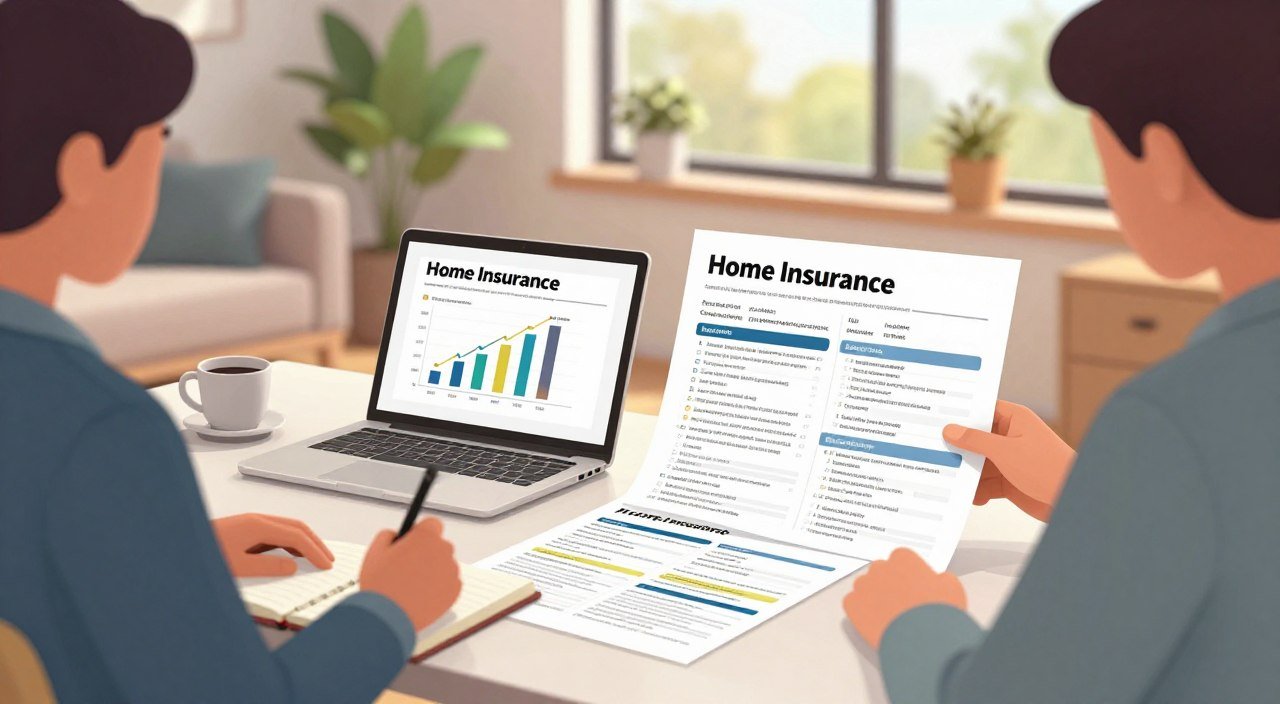
Compare Home Insurance Quotes for the Best Rates Today
Securing the right protection for your property begins with a simple, powerful step: comparison. To…