



Getting behind the wheel comes with great responsibility. Your auto policy is a foundational part of driving in America. It provides essential financial protection for you and others on the road.
This specific type of coverage is often legally required by your state. It helps pay for costs if you are responsible for an incident. These costs can include repairs to another person’s vehicle or medical bills for their injuries.
This guide simplifies these concepts. It explains how your plan’s limits work and why having the right amount is crucial. For drivers ready to check their options, companies like GEICO provide quotes at (800) 207-7847.
Key Takeaways
- This coverage is a fundamental requirement for legal driving in most states.
- It acts as a critical safety net for costs from an at-fault accident.
- Protection is split into two main areas: bodily injury and property damage.
- Your policy’s limits define the maximum amount your insurer will pay.
- Securing adequate coverage safeguards your personal assets and future finances.
- Understanding your policy is key to compliance and personal security on the road.
Understanding Liability Car Insurance
On the road, your actions can lead to expenses for others, making this form of financial safeguard critical. It is a common legal mandate for motorists.
What is Liability Car Insurance?
This coverage pays for injuries to other people and damage to their property if you cause a crash. Most states require it as proof of basic financial responsibility.
It is important to know this protection does not cover your own vehicle or your own medical bills. Its sole purpose is to protect others from costs you are responsible for.
How It Works in an Auto Accident
If you are at fault in a collision, your insurance provider steps in. They manage the claim and pay for the other party’s repairs and medical bills.
Payments are made up to the maximum amounts set in your policy. These are your policy limits for bodily injury and property damage.
By having active coverage, you shield your personal savings and assets. This prevents them from being used to pay for damages you caused.
Mandatory Coverage and State Requirements
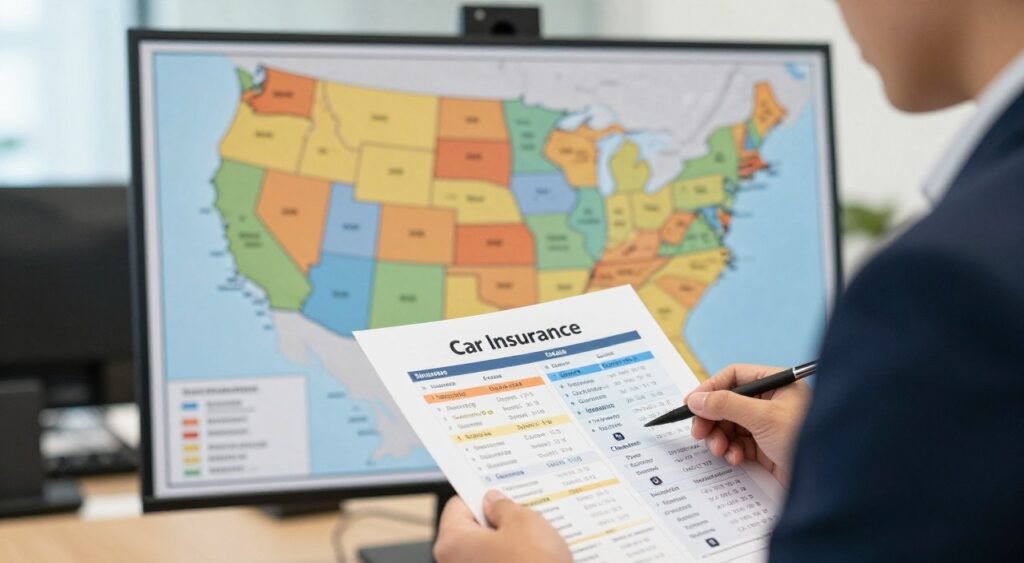
Every state sets its own rules for the minimum financial protection you must have to drive legally. Knowing these laws is your first step to being a compliant driver.
State Minimums and Legal Necessities
Most states require a specific amount of coverage. This is your state’s minimum. It is the legal baseline for operating a vehicle.
New Hampshire and Virginia are exceptions. They do not mandate this insurance. Drivers must show proof of financial responsibility to cover potential accident costs.
Florida has unique laws. It requires Personal Injury Protection (PIP). It also has SR-22 certification standards for bodily injury.
| State | Bodily Injury per Person | Property Damage | Key Notes |
|---|---|---|---|
| Florida | $10,000 | $10,000 | Requires PIP & SR-22 certification |
| New Hampshire | Not Mandatory | Not Mandatory | Proof of financial responsibility required |
| Virginia | Not Mandatory | Not Mandatory | Uninsured motor vehicle fee option |
| Typical State Example | $25,000 | $25,000 | Varies by state; often higher limits |
You must check your own state’s minimums. These requirements vary a lot. They often do not provide enough protection for a serious crash.
Failing to maintain mandatory coverage has severe penalties. You could face fines or lose your license. You become personally responsible for all costs.
Experts recommend buying limits above your state’s minimum. This shields your assets from large lawsuits. Staying informed helps you avoid being underinsured.
Key Components: Property Damage and Bodily Injury Liability
Your financial security on the road hinges on two fundamental pillars of your policy. These parts work together to protect others from the costs you might cause.
Understanding each component helps you see the full scope of your protection. It also shows why state minimums are often not enough.
Property Damage Liability Coverage Explained
This part of your plan handles repairs for another person’s property. If you are at fault in a crash, it pays to fix their vehicle.
It also covers other structures you might hit, like a fence or building. You are even covered for a rental car they need while theirs is in the shop.
Remember, this does not pay for your own auto repairs. That requires a different type of coverage.
Bodily Injury Liability Coverage Explained
This component addresses the human cost of an accident. It pays for medical bills and prescriptions for people you injure.
It can also cover their lost wages if they cannot work. If you are sued, it helps with your legal defense fees.
Like property damage, this does not apply to your own injuries. Its sole job is to shield your assets from others’ injury claims.
Together, these two areas form your core financial responsibility. Having adequate limits is crucial for your peace of mind and legal compliance.
How Liability Car Insurance Protects Your Assets
Safeguarding your savings is a core function of responsible driving coverage. This financial shield is why most states require it by law.
Your policy acts as a barrier between a costly mistake and your personal wealth. It handles bills you would otherwise pay yourself.
Coverage for Third-Party Damages
If you cause a crash, your plan steps in for others. It pays for their repairs and medical bills.
This means your own bank account stays safe. The coverage helps pay for a damaged vehicle or a person’s treatment.

Without this protection, you face bills directly. A serious incident could drain your savings quickly.
Your provider covers expenses up to your policy limit. This includes legal fees if you are sued.
| Scenario | With Adequate Coverage | Without Adequate Coverage |
|---|---|---|
| Property Damage to Other Vehicle | Insurer pays repair costs. | You pay out of pocket. |
| Bodily Injury Medical Bills | Insurer covers treatment expenses. | Your personal assets are at risk. |
| Lawsuit for Damages | Insurer provides legal defense. | You hire and pay a lawyer yourself. |
Choosing high limits is a smart move. It ensures your home and future earnings are secure.
Being proactive with your plan prepares you for the unexpected. It is the best way to drive with confidence.
Liability Car Insurance: Coverage Limits and Options
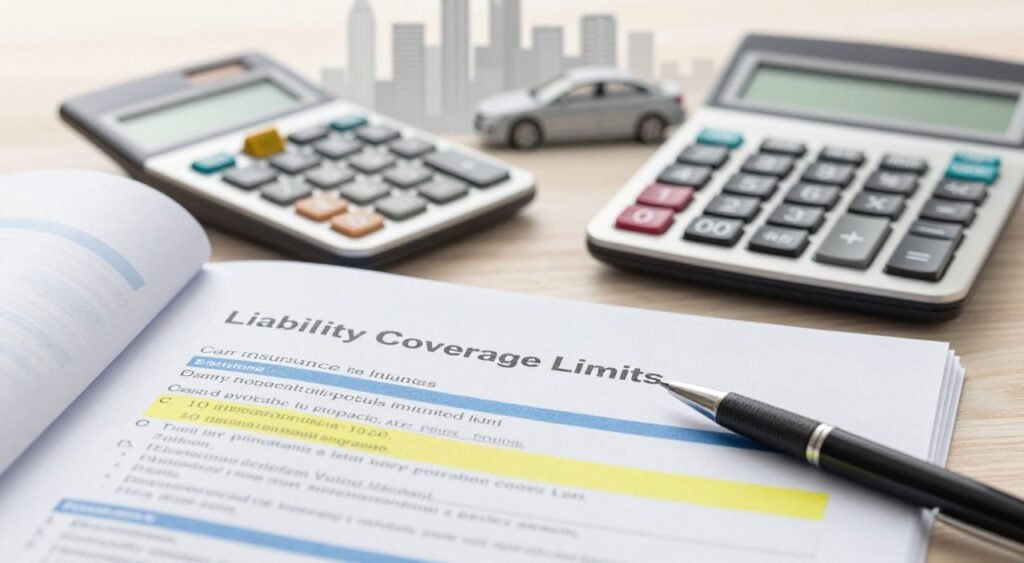
The specific dollar amounts in your policy are its most critical numbers. These liability coverage limits define the maximum your insurer will pay after an incident.
Choosing the right boundaries is a key part of your financial security.
Understanding Split Limits
This common format divides your protection into three categories. It shows separate maximums for different costs.
A typical example is a 25/50/10 plan. This provides $25,000 for bodily injury per person hurt.
It offers $50,000 total for all injuries in one event. It also includes $10,000 for any property damage.
Combined Single Limit Options
Some drivers prefer a combined single limit. This creates one total pool of money for a claim.
It can be used for either injury costs or property repairs. This option offers simpler, more flexible protection.
| Feature | Split Limits | Combined Single Limit |
|---|---|---|
| Structure | Three separate caps | One total amount |
| Example | 25/50/10 policy | $100,000 total |
| Best For | Clear, categorized budgeting | Flexibility across claim types |
Review your policy’s declarations page to see your current liability limits. You can contact your insurance provider to adjust them based on your assets.
Factors Influencing Liability Insurance Costs
Understanding what shapes your premium helps you make smarter, more budget-conscious decisions about your policy.
Your final price is not random. It is calculated from your specific details and the level of security you select.
Impact of Coverage Limits on Premiums
The maximum amount your plan will pay is a primary cost driver. Higher liability limits mean your provider takes on more financial risk.
This greater potential payout results in a higher monthly or annual premium. You must balance robust protection with a comfortable budget.

Personal Risk Factors and Financial Considerations
Your own profile heavily influences your rate. A clean driving history often leads to better prices.
The type of vehicle you own also plays a role. Your personal net worth and assets should guide how much protection you buy.
Comparing quotes from different companies is crucial. It helps you find the right coverage at a competitive price.
Real-Life Scenarios and Case Studies
A simple fender-bender can quickly turn into a major financial lesson on the importance of adequate protection. Seeing a policy in action makes its value undeniable.

Example: Rear-End Collision and Its Implications
Imagine you are at fault in a rear-end collision. The other driver has wrist pain, and their passenger suffers a cut.
Your bodily injury component helps pay for their emergency room treatment. It also covers follow-up care and lost wages.
The same event likely caused property damage. Your plan would handle repairs to the other vehicle or a damaged guardrail.
Consequences of Undercoverage in Accidents
What if the total medical bills and repair costs exceed your policy’s limit? You become personally responsible for the difference.
This financial strain can impact your savings and future. These examples show why sufficient coverage is a critical shield.
Understanding potential outcomes helps you choose a plan that offers real security on the road.
Enhancing Protection with Additional Coverage
Building a complete financial shield on the road involves more than just the basics. Your foundational plan is crucial, but layering on extra security can offer peace of mind.
Think of it as adding safety nets. Each one catches different types of financial risks you might face.
Umbrella Policies for Extra Security
An umbrella policy provides an additional layer that activates after you exceed your standard liability coverage limits. It is designed for serious incidents where costs soar.
This extra cushion can protect your home and savings from major lawsuits. Companies like Amica often suggest a robust 100/300/100 policy as a strong starting point.

Complementary Coverages: Collision and Comprehensive
Remember, your basic plan does not pay for your own auto repairs. That is where collision and comprehensive insurance coverage come in.
Collision handles damage from crashes with another object. Comprehensive covers events like theft, fire, or hail.
Personal injury protection is another smart addition. It covers your own medical expenses and lost wages after an accident, regardless of fault.
Combining these options creates a robust safety net. It shields your assets from a wide range of risks on the road.
Review your policy with an agent to identify the right additions for your needs.
Conclusion
Your journey as a responsible driver culminates in choosing the right financial safeguards. Understanding the roles of bodily injury and property damage components is key. It ensures you have the necessary protection after an at-fault incident.
Regularly reviewing your coverage limits is a wise habit. Your assets and personal risk factors change over time. Adjusting your policy keeps your security aligned with your current life.
Remember, this foundational liability plan protects others. Consider adding collision or comprehensive options for your own vehicle. Injury protection can safeguard your health and income.
If you have questions, talk to your insurance provider. They can clarify your needs and ensure you are fully covered. Driving with confidence comes from knowing you are prepared for the unexpected.
Take time to evaluate your options today. Secure the best coverage for your finances and peace of mind on the road.
FAQ
What does liability auto insurance cover?
How much of this protection am I required to have?
What happens if my coverage limits are too low?
What is the difference between split limits and a combined single limit?
Can I buy additional protection beyond the basic policy?
Does this insurance pay for my own car repairs or injuries?
Post a comment
Related Posts

Find Affordable Insurance Quotes in the United States
Protecting your vehicle and your wallet is a top priority for every driver. Finding the…

Find Cheap Car Insurance Quotes Fast in the United States
Getting the right coverage for your vehicle doesn’t have to be a long, confusing process.…

Find the Best Auto Insurance Quote in the United States
Navigating the world of vehicle protection in the U.S. can feel overwhelming. With so many…
Compare Home Insurance Quotes for the Best Rates Today
Securing the right protection for your property begins with a simple, powerful step: comparison. To…