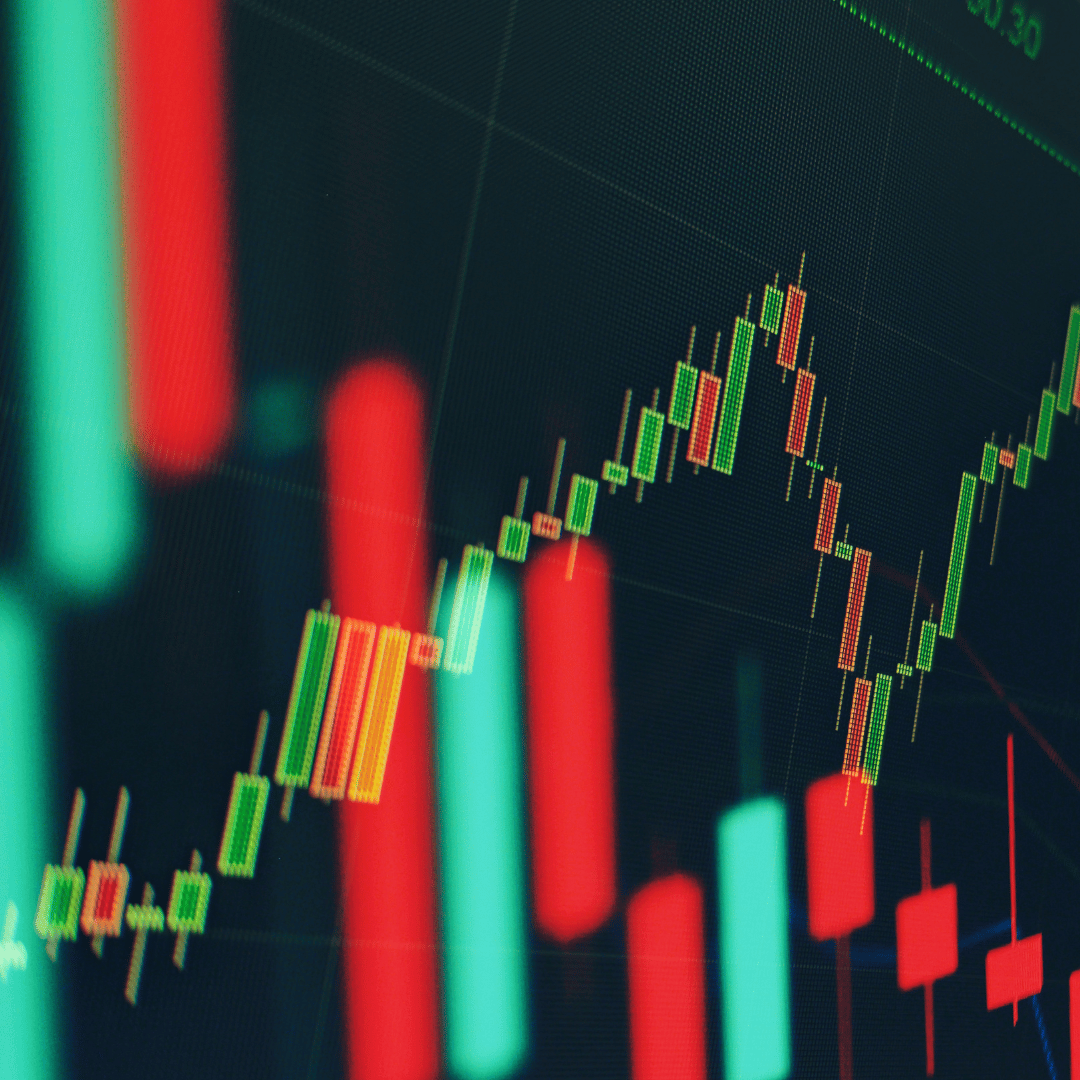




Learning technical analysis effectively requires a blend of foundational knowledge, hands-on experience, and the strategic use of advanced tools. This guide outlines the steps to master technical analysis, from understanding core concepts to applying modern technology, ensuring you build the skills needed to navigate today’s dynamic financial markets.
Key Takeaways
- Begin with foundational books and reputable courses to grasp the theoretical framework of technical analysis.
- Use demo accounts for hands-on practice in a risk-free environment.
- Emphasize risk management to ensure sustainable trading practices.
- Leverage modern advancements such as AI-powered tools and real-time charting software to refine your strategies.
- Continuously refine your skills through backtesting, paper trading, and applying your strategies in live markets.
Understanding Core Technical Analysis Concepts
Technical analysis involves evaluating price movements, psychological influences, and statistical measures to predict market behavior. Key components include:
- Chart Patterns
- Head and Shoulders: Signals potential trend reversals.
- Triangles and Wedges: Indicate continuation or reversal patterns.
- Double Tops and Bottoms: Suggest resistance and support levels, respectively.
- Indicators
- Moving Averages: Show trends over specific time frames (e.g., 50-day or 200-day).
- RSI (Relative Strength Index): Identifies overbought (above 70) or oversold (below 30) conditions.
- Bollinger Bands: Measure volatility and potential price breakouts.
- Support and Resistance
- Identify price levels where buying or selling pressure dominates, creating critical decision points.
- Risk Management
- Use stop-loss orders, position sizing, and a solid risk/reward ratio to protect capital.
Educational Resources
Invest in structured learning to build a strong foundation.
Books
- Technical Analysis of Stock Trends by Robert D. Edwards and John Magee: A cornerstone of technical analysis.
- Technical Analysis of the Financial Markets by John Murphy: Comprehensive coverage of principles and tools.
- Japanese Candlestick Charting Techniques by Steve Nison: In-depth exploration of candlestick patterns.
- The Definitive Guide to Point and Figure Charting by Jeremy du Plessis: Insights into this less commonly used but powerful method.
Online and Offline Courses
- Beginner Platforms: Udemy and Coursera offer accessible courses for new traders.
- Advanced Certifications:
- Chartered Market Technician (CMT).
- Certified Financial Technician (CFTe).
- Master of Science in Technical Analysis (MSTA).
- Opt for courses with transparent curricula, risk management emphasis, and realistic expectations.
Free Educational Websites
- TradingView: Interactive community sharing strategies and chart scripts.
- StockCharts.com (ChartSchool): Tutorials on indicators, oscillators, and charting techniques.
- Fidelity Learning Center: Free webinars and guides by professional traders.
- CME Group: Specialized content on futures and derivatives.
Developing Trading Systems
A robust trading system aligns with your risk tolerance and market objectives.
- Define Objectives: Determine your financial goals, preferred markets, and timeframes.
- Set Entry and Exit Rules: Establish clear conditions for opening and closing trades.
- Incorporate Risk Management: Apply stop-loss orders and position sizing.
- Backtesting: Simulate strategies on historical data to gauge effectiveness.
- Use reliable data and backtesting software.
- Avoid overfitting—where strategies work on past data but fail in live markets.
- Paper Trading: Test strategies in real-time without risking capital.
- Refinement: Adjust strategies based on performance and changing market conditions.
Utilizing Technology
Modern tools accelerate learning and enhance analysis.
- Advanced Charting Platforms
- Platforms like TradingView and Thinkorswim offer customizable charts, indicators, and real-time data.
- AI-Powered Tools
- Predictive analytics and machine learning for identifying patterns and trends.
- Automation
- Rule-based strategies through algorithmic trading tools reduce emotional biases.
- Interactive Learning
- Webinars, simulations, and gamified learning platforms deepen understanding.
Practical Steps to Mastery
1. Paper Trading
Use demo accounts to practice strategies in real-time conditions without financial risk.
- Benefits: Builds discipline and hones execution skills.
- Limitations: Lacks the emotional intensity of live trading.
2. Transition to Live Trading
Start with small amounts of real capital to bridge the gap between simulated and real trading.
- Manage emotions effectively.
- Adjust strategies to accommodate real-world challenges like slippage and liquidity issues.
3. Continuous Learning
- Stay updated with market developments and new tools.
- Join trading communities for shared insights and mentorship.
FAQs
How Do I Evaluate Online Courses and Educators?
- Check for credentials like CMT, CFTe, or MSTA.
- Look for transparent content outlines and realistic claims.
- Read reviews and seek recommendations from experienced traders.
Can Technical Analysis Be Applied Across Markets?
Yes, technical analysis works in stocks, forex, commodities, bonds, and cryptocurrencies. Adapt strategies to the unique characteristics of each market.
What Are the Latest Advances in Technical Analysis?
- AI and machine learning for pattern recognition.
- Real-time data visualization.
- Enhanced mobile charting tools for on-the-go analysis.
The Bottom Line
Mastering technical analysis involves a blend of traditional education, consistent practice, and leveraging cutting-edge tools. By combining theoretical knowledge with hands-on application and technological advancements, you can develop robust trading strategies, refine your skills, and navigate the complexities of financial markets with confidence.
Post a comment
Related Posts

March 14, 2026
What It Takes to Become an Elite Trader
Each year, millions of traders enter the financial markets, lured by the prospect of wealth…
March 14, 2026
Mastering Short-Term Trading
Short-term trading offers the potential for quick and lucrative returns, but it’s not without significant…

March 14, 2026
How Much Money Do You Need to Start Trading?
The question of how much money you need to start trading depends on your trading…

March 14, 2026
A Day in the Life of a Professional Forex Trader
Professional forex traders enjoy financial rewards and a flexible lifestyle that many aspire to, but…