



Protecting your most valuable asset doesn’t have to break the bank. Finding the right plan is a critical step for financial security.
According to 2020 data from S&P Global Market Intelligence, State Farm remains the largest provider in this sector. This shows the competitive market available to you.
Your policy acts as a vital financial shield. It offers protection against unexpected events like fire, theft, or severe weather damage to your property.
When you evaluate your needs, consider how the value of your home and personal belongings influences the total cost. Your specific living situation dictates the required coverage.
Understanding the options in your state helps you make informed decisions. Always ask questions about your deductible and how it impacts your premium.
By comparing different plans, you can secure a policy that balances your budget with necessary coverage for your roof and other structural elements. Start your journey toward better security today.
Key Takeaways
- Securing affordable coverage is essential for protecting your home and finances.
- State Farm is the nation’s largest provider based on recent premium data.
- A good policy serves as a crucial financial shield against many common risks.
- The value of your home and personal belongings directly affects your policy’s cost.
- Your deductible amount has a significant impact on your monthly premium.
- Coverage needs, including protection for your roof, can vary by state and risk.
- Comparing multiple plans is the best way to find a balance of cost and protection.
What is Homeowners Insurance?
This form of property coverage provides essential financial security for your dwelling and the items inside it. It acts as a crucial safety net against unexpected events that could damage your residence.
Understanding Property and Liability Protection
Your policy typically includes two main parts. First, it offers property damage protection for your house structure against perils like fire or wind. Second, it covers your personal belongings such as furniture and electronics.
Liability coverage is equally important. It helps protect you if someone gets injured on your property and needs medical care. Remember, this plan does not cover properties you rent out to others.
How Coverage Varies by State
Your specific protection can differ based on where you live. Some states face higher risks of floods or severe storms. These regional factors influence what your policy includes and costs.
A local agent can provide valuable information about state-specific options. They can also explain available discounts for safety systems like alarms. Always review your policy limits to ensure adequate coverage for your home’s value.
| Covered Perils | Typical Exclusions | Important Notes |
|---|---|---|
| Fire and smoke damage | Flood damage | Often requires separate flood policy |
| Wind and hail storms | Earthquake damage | May be available as an add-on |
| Theft and vandalism | General wear and tear | Maintenance is your responsibility |
| Water damage from burst pipes | Intentional loss | Accidental damage is covered |
Understanding these details helps you choose the right plan for your needs. Work with your agent to address any questions about your specific situation.
Evaluating Your Home Insurance Needs
Before selecting a policy, you need to carefully assess both your physical dwelling and the possessions within it. Be ready to report any claims for insured losses from the past five years when getting a quote.
Assessing Your Property and Personal Belongings
Start by calculating the replacement value of your home. This includes current costs for labor, materials, and building supplies.
Create a detailed inventory of your belongings using a personal property calculator. This ensures your coverage matches the full value of furniture and electronics.

Determining Adequate Coverage and Deductible Levels
Your deductible choice directly affects your premium. A higher amount lowers your cost but must fit your budget.
If you have a mortgage, your lender will require specific coverage limits. Regular reviews keep pace with renovations to home systems.
| Deductible Amount | Premium Impact | Best For |
|---|---|---|
| $500 | Higher Premium | Minimal upfront cost |
| $1,000 | Moderate Savings | Balanced budget |
| $2,500+ | Maximum Savings | Strong emergency fund |
Consider additional protection like flood coverage, typically excluded from standard policies. Your agent can help you understand these options.
Discover the Best Homeowners Insurance Options for Your Budget
The true cost to rebuild your home is a cornerstone of an adequate policy. Finding a plan that aligns with your financial plan means looking beyond the monthly premium.

A critical guideline is the 80% rule. This mandates that you must insure your dwelling for at least 80% of its replacement cost to avoid penalties at claim time.
Exploring Cost Factors and Replacement Value
Replacement value is what it costs to rebuild your house with current materials and labor. It is different from your home’s market value.
Your location significantly impacts your annual cost. Risks like local crime rates or distance to a fire station are factored in by your provider.
Getting a quote at least ten days before your start date can help lower your rate. Maintaining your roof and updating old plumbing systems often qualifies you for valuable discounts.
Always verify that your coverage is sufficient for high-value belongings. Regularly comparing quotes shows how your deductible choice affects your total annual cost.
Key Coverages in a Homeowners Policy
Your dwelling, belongings, and personal liability are the three pillars of a typical home insurance package. A standard plan is built from several core parts. Understanding each one helps you know exactly what your safety net includes.
Dwelling and Property Damage Protection
Dwelling protection is the foundation of your policy. It covers the structure of your house against dangers like fire, smoke, and windstorms.
This part also usually extends to other structures on your land, such as a detached shed or a fence. Many plans include specific coverages for water damage from internal systems, like a burst pipe.
It is crucial to know that standard policies often exclude flood damage. You may need a separate flood policy for that risk.
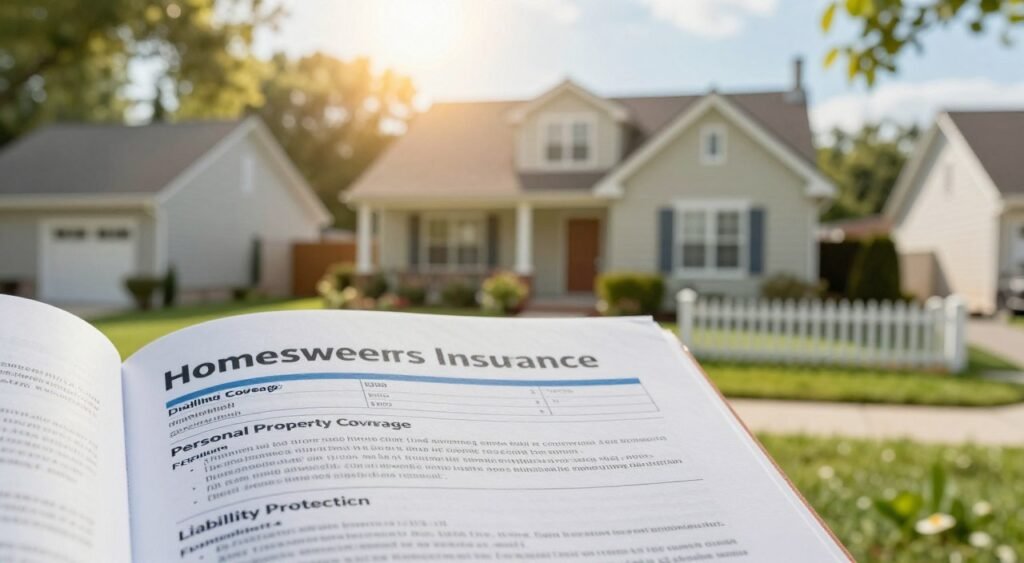
Personal Property and Liability Coverage
Personal property coverage is designed for your belongings. This includes furniture, appliances, and electronics if they are damaged or stolen.
Liability protection is equally important. It provides essential help if you accidentally cause injury to someone or damage their property. For example, it can help pay for a visitor’s medical bills if they slip on your walkway.
Additional living expenses coverage is another key option. It helps pay for temporary housing if your home becomes unlivable after a covered loss.
You can customize your plan with endorsements. These increase coverage limits for high-value items like jewelry or art. Always review your specific policy with your agent to ensure it meets all your needs.
Secure Your “Homeowners Insurance” Quote Today
Your journey to a tailored policy begins with gathering key details about your residence and history. An accurate quote is the foundation for a plan that fits your budget and provides solid financial protection.

How to Gather Necessary Details for an Accurate Quote
Start with your property’s specifics. Have your home’s age, square footage, and construction type ready. Note the condition of critical systems like your roof and plumbing.
Safety features can help you qualify for discounts. Share details about smoke detectors, burglar alarms, and deadbolt locks. Also, have your mortgage information handy, as lenders often require specific coverage amounts.
Your personal history matters too. Provide your name, date of birth, and details of any previous policies. If you’re switching from a renters policy, mention it for potential savings.
For personalized help, you can call a GEICO sales agent at (800) 841-3005. Agents are available Monday through Friday, 7:00 AM to 11:00 PM ET. This quick process lets you compare coverage options and secure a competitive rate for your home.
Bundle and Save with Combined Insurance Policies
One of the smartest financial moves you can make is to bundle your property and vehicle coverage. This strategy can lead to significant savings on your annual expenses.

According to a 2025 national survey, new policyholders who bundle their home and auto policies save an average of $1,429. This shows the powerful impact of combining your plans.
Discounts for Bundling with Auto and Other Insurance Lines
By placing your policies with a single company, you simplify billing and manage your options more efficiently. Many providers offer extra discounts when you purchase renters, condo, or life insurance alongside your main policy.
Bundling helps you save on your home insurance and can reduce rates on your car premiums. You create a comprehensive plan that covers your vehicle and personal assets.
Always ask your agent about specific discounts available in your state. Bundling benefits can vary depending on local regulations.
If you have questions about how this affects your coverage limits, your agent can provide the necessary information. Start exploring how combining your plans offers better protection for your family.
State-Specific Home Insurance Options and Discounts
The specific threats your property faces are largely dictated by where you live, affecting your coverage choices. Your plan and its requirements can differ significantly across state lines.
Understanding Regional Risks and Coverage Variations
Coastal regions often mandate separate flood policies for adequate protection. Most flood coverage is written through the National Flood Insurance Program (NFIP), which is administered by FEMA.
In areas prone to seismic activity, a separate earthquake endorsement is a vital consideration. Your provider will assess local hazards like wildfire risk or distance to a fire station.

State laws can influence how your policy is structured and what discounts are available. Working with a local agent provides crucial information on these regional variations.
Discounts for safety systems, like alarms or sprinklers, may be more accessible under certain state regulations. Understanding these details helps you secure the right amount of protection for your belongings.
| Region | Common Risk | Typical Add-On | Potential Discount |
|---|---|---|---|
| Coastal | Hurricane/Flood | Flood Policy (NFIP) | Wind Mitigation Features |
| Earthquake-Prone | Seismic Activity | Earthquake Endorsement | Retrofitted Structures |
| Wildfire-Prone | Brush Fires | Wildfire Coverage | Fire-Resistant Materials |
| Midwest | Severe Storms | Hail/Wind Deductible | Storm Shutters |
Always check with your provider for state-specific programs. This helps you make informed decisions about your coverage limits and personal budget.
Tips for Optimizing Your Home Insurance Policy
Optimizing your plan involves more than just shopping for a low premium. Providers like State Farm use over a century of experience to offer guidance on protecting your residence.
Safety Measures and Home Maintenance to Lower Premiums
Preventive maintenance is a powerful tool. Simple tasks like cleaning gutters and inspecting your roof can prevent costly water damage.
Installing modern safety systems, such as burglar alarms, often earns you discounts. These upgrades make your property safer and more resilient against common risks like fire.
Effective Strategies for Preventing Claims
Being aware of potential hazards allows you to address risks before they lead to accidents. Keep your home well-maintained as a long-term strategy for resilience.
Perform an annual review of your coverage with your agent. This ensures your limits are accurate after renovations or changes to your belongings. Working together, you can identify risks and prevent future claims.
Conclusion
A well-chosen plan is your strongest defense against the financial impact of property loss. It safeguards your dwelling and personal belongings, providing essential peace of mind.
Regularly review your coverage limits to ensure they match your home’s current replacement value. Ask your agent questions and compare quotes from more than one company to find the best options for your needs.
Taking these proactive steps secures comprehensive protection for your family’s future. You gain confidence knowing your assets are shielded from unexpected events.
FAQ
What does a standard policy typically cover?
How do I figure out how much coverage I need?
What factors influence my premium cost?
Are there ways to lower my annual payment?
Why do I need separate flood protection?
What should I have ready when getting a quote?
Post a comment
Related Posts

Find Affordable Insurance Quotes in the United States
Protecting your vehicle and your wallet is a top priority for every driver. Finding the…

Find Cheap Car Insurance Quotes Fast in the United States
Getting the right coverage for your vehicle doesn’t have to be a long, confusing process.…

Find the Best Auto Insurance Quote in the United States
Navigating the world of vehicle protection in the U.S. can feel overwhelming. With so many…
Compare Home Insurance Quotes for the Best Rates Today
Securing the right protection for your property begins with a simple, powerful step: comparison. To…